Afghanistan Conflict: Timeline & Latest Developments
Since the Taliban's August 2021 takeover, Afghanistan's Islamic Emirate government, unrecognized by most of the world, has fought an ISIS-K insurgency, faced sporadic National Resistance Front attacks from Panjshir, and since February 2026 has been locked in an open border war with Pakistan that has killed hundreds and displaced well over 100,000 people.
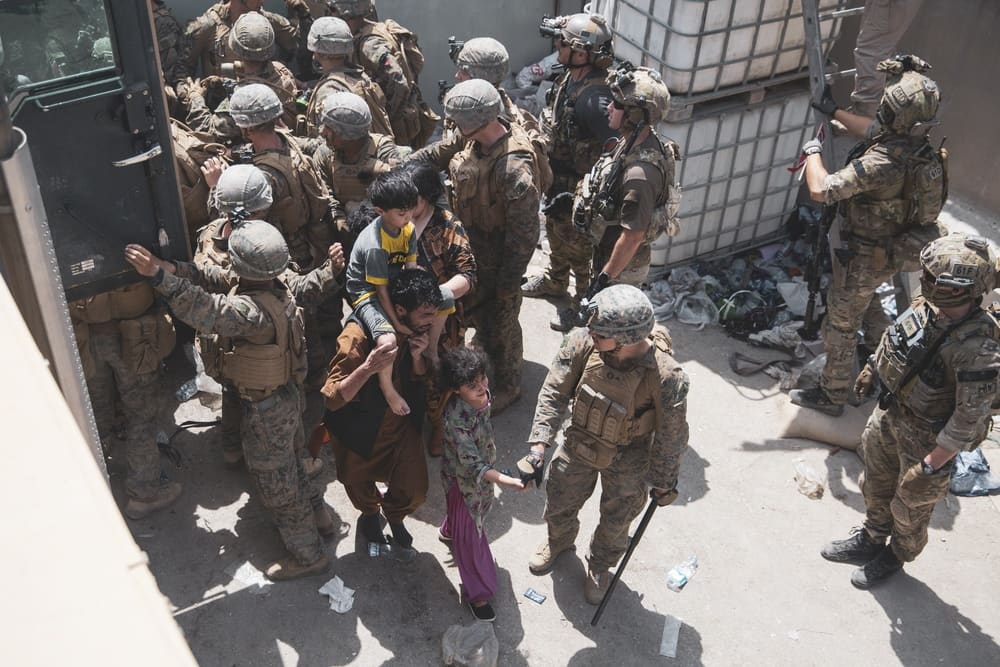
U.S. Marine Corps photo by Staff Sgt. Victor Mancilla / DVIDS, public domain. Shown for identification: US Marines and Norwegian coalition forces at an evacuation checkpoint at Hamid Karzai International Airport, Kabul, August 20, 2021, six days after the Taliban's takeover began. Not an image of the current Taliban-ISIS-K-Pakistan conflict phase covered on this page.
The conflict covered here is not the 20-year, US-led war that ended when the Taliban captured Kabul on August 15, 2021. That earlier war began with the US invasion in October 2001 following the September 11 attacks, saw a Western-backed Islamic Republic government fight a Taliban insurgency for two decades, and concluded with the February 2020 Doha Agreement between the US and the Taliban setting terms for a full US troop withdrawal. When that withdrawal reached its final weeks in August 2021, Afghan government forces collapsed within days and President Ashraf Ghani fled the country, handing the Taliban a swifter and more total victory than almost any forecast had predicted. What follows is the conflict that began the day Kabul fell.
Afghanistan since August 15, 2021 has been governed by the Taliban under the name Islamic Emirate of Afghanistan, an all-male, unelected leadership under supreme leader Hibatullah Akhundzada that most of the world does not recognize as Afghanistan’s legitimate government. Russia broke with that consensus on July 3, 2025, becoming the first state to formally recognize the Islamic Emirate after removing the Taliban from its terrorism list earlier that year; no other government had followed by mid-2026. Domestically, the Taliban’s rule has been defined by an escalating set of restrictions on women and girls: a September 2021 order reopening secondary schools for boys while excluding girls, a December 2022 ban on women attending university, an August 2024 law codifying morality enforcement into 35 articles, and a December 2024 ban on women training as nurses or midwives that closed one of the last remaining paths to higher education. Human Rights Watch and UN agencies estimate roughly 80 percent of young Afghan women are now excluded from education, employment, or training altogether, even as surveys of ordinary Afghans, including door-to-door polling reported by UN Women, find that more than 90 percent support girls’ right to learn.
The Taliban government’s most persistent security threat has come from Islamic State-Khorasan Province (ISIS-K), a jihadist insurgency that rejects Taliban rule as insufficiently extreme and has fought Taliban forces since before the 2021 takeover. ISIS-K claimed the August 26, 2021 Abbey Gate bombing that killed 182 people at Kabul’s airport during the evacuation, and its attack tempo inside Afghanistan and Pakistan peaked that year before declining sharply as Taliban counter-insurgency operations killed and captured commanders. The group has nonetheless carried out or been linked to some of the deadliest attacks in the region since: the September 2022 Kaaj education-center bombing in Kabul’s Hazara-majority Dasht-e-Barchi neighborhood, which killed 53 people, mostly young women; the January 2024 bombing of a memorial ceremony in Kerman, Iran, that killed at least 95; the March 2024 Crocus City Hall attack near Moscow that killed more than 145; and, into 2026, a January bombing of a Chinese-owned restaurant in Kabul and a February 6 bombing of a Shia mosque in Islamabad that killed 31. Independent analysts describe ISIS-K’s Afghanistan-based capacity as diminished but caution against assuming the group is defeated, given its demonstrated reach abroad.
A second, non-jihadist opposition comes from the National Resistance Front (NRF), formed by Ahmad Massoud after the Taliban’s September 6, 2021 capture of the Panjshir Valley, the last part of the country to fall. Operating from exile and through guerrilla cells the group says are active in roughly 20 provinces, the NRF claimed 401 operations between March 2024 and March 2025. The UN Security Council has assessed the NRF’s campaign as sporadic and not currently capable of threatening Taliban control nationally.
Since 2024, the conflict’s deadliest front has been the border with Pakistan. Islamabad accuses the Taliban of sheltering Tehrik-e-Taliban Pakistan (TTP) militants who stage attacks inside Pakistan; Kabul denies this and says Pakistani strikes kill Afghan civilians. Pakistan’s first major cross-border strikes came in March 2024; a failed October 2025 strike aimed at TTP leader Noor Wali Mehsud triggered the deadliest clashes since 2021 and a fragile Qatar-brokered ceasefire that follow-on talks in Doha and Istanbul failed to make durable. The war turned open after Pakistan declared it on February 27, 2026, days after the Islamabad mosque bombing, launching Operation Ghazab-lil-Haq. Pakistani strikes destroyed hangars at Bagram Airfield and, on March 16, 2026, the Omid Addiction Treatment Hospital in Kabul, a strike Afghan authorities said killed 408 people and UNAMA independently put at 269 killed, and which Human Rights Watch called a possible war crime; Pakistan denied targeting the facility. Chinese-mediated talks in Urumqi in April 2026 briefly cooled the fighting before it resumed in June, culminating in the Taliban government’s first drone strikes into Pakistani territory on July 1, 2026, and a wave of TTP and Balochistan Liberation Army attacks in Balochistan that killed 42 people in early July.
ISIS-K's attack tempo fell nearly 90 percent from its 2021 peak to 2023 as Taliban counter-insurgency operations degraded the group's networks, but the count does not capture severity: some of the group's deadliest single attacks, including the 2024 Kerman and Crocus City Hall bombings and the 2026 Islamabad mosque bombing, came during and after that decline.
None of the conflict’s fronts looks settled as of mid-2026. The Taliban government controls the country but remains almost entirely unrecognized, ISIS-K’s Afghanistan-based networks are weakened but not eliminated, the NRF’s guerrilla campaign continues without threatening Taliban rule, and the Pakistan border war has cycled through ceasefires, mediated talks, and renewed fighting without a lasting settlement, most recently reopening a front in Pakistan’s Balochistan province in July 2026. Layered on top of the security picture is a humanitarian crisis the UN projected would require assistance for 21.9 million Afghans, about 45 percent of the population, in 2026, at a time international aid funding has fallen to roughly a fifth of its 2022 level.
Full Timeline (most recent first)
Pakistan says Operation Shaban's Balochistan militant death toll reaches 129
Pakistani security forces said the death toll from Operation Shaban, the counter-insurgency campaign launched July 5 after the coordinated TTP and Balochistan Liberation Army attacks, had reached 129 militants killed in ground assaults and helicopter-gunship strikes across Balochistan. Pakistan continued to accuse the Afghan Taliban government of sheltering the TTP commanders behind the campaign, an allegation Kabul has consistently denied.
HRW: Pakistani airstrikes killed 28 civilians in June, part of a wider civilian-harm pattern
Human Rights Watch reported that Pakistani airstrikes on June 29 killed at least 28 civilians and wounded 49 others across three eastern Afghan provinces, and said the strike fit a broader pattern that had killed more than 750 Afghan civilians since the border war began in February, according to UNAMA figures. HRW called for impartial investigations into potential war crimes by both Pakistani and Afghan forces.
TTP and Baloch militants kill 42 in coordinated Balochistan attacks
Over five days, Tehrik-i-Taliban Pakistan and Balochistan Liberation Army fighters, which Pakistani officials say increasingly coordinate logistics and leadership, attacked security posts and a dam-security checkpoint across three Balochistan districts, killing 38 security personnel and 4 civilians. These were attacks by Pakistan-based militant groups rather than the Afghan Taliban government itself, though Islamabad continues to accuse Kabul of sheltering their commanders.
Afghan government drones enter Pakistani airspace for the first time
Afghanistan's Taliban defense ministry directed drone strikes into Pakistan's Balochistan province, the first confirmed instance of Kabul's own air force operating inside Pakistani territory during the war; Pakistan's military said it shot down four of the drones. Afghanistan said the drones targeted ISIS-K facilities, a claim Pakistan could not independently verify.
Afghanistan strikes targets inside Pakistan
Afghan Taliban forces struck targets inside Pakistani territory, a further escalation that Al Jazeera reported raised cross-border tension after the two-month relative calm following the Urumqi talks. The strikes came days after a June 27 attack on a paramilitary compound in Karachi killed three personnel, an attack Pakistan attributed to militants it says operate from Afghan soil.
Pakistan claims 26 fighters killed; Taliban says civilians died
As the Urumqi-era lull broke down, Pakistan said airstrikes killed 26 Afghan fighters, while the Taliban government said the strikes killed 13 civilians, including children. Neither death toll has been independently confirmed, continuing the war's pattern of sharply conflicting casualty accounts between the two governments.
China hosts Afghanistan-Pakistan talks in Urumqi
Delegations from Afghanistan, Pakistan, and China concluded a week of informal, Chinese-mediated talks in Urumqi, Xinjiang, aimed at de-escalating the border war. China's foreign ministry said the sides agreed to identify core issues, chiefly cross-border militancy, and to keep talking; the talks produced a roughly two-month reduction in Pakistani airstrikes before tensions resurfaced in June.
Human Rights Watch calls Kabul hospital strike unlawful
Human Rights Watch published an investigation into the March 16 Kabul rehabilitation-center strike concluding it was an unlawful attack and a possible war crime, based on satellite imagery, witness accounts, and munition remnants at the site. Pakistan maintained the strike had targeted a militant facility, not the hospital.
Pakistani strike destroys Kabul rehabilitation hospital; deadliest single strike of the war
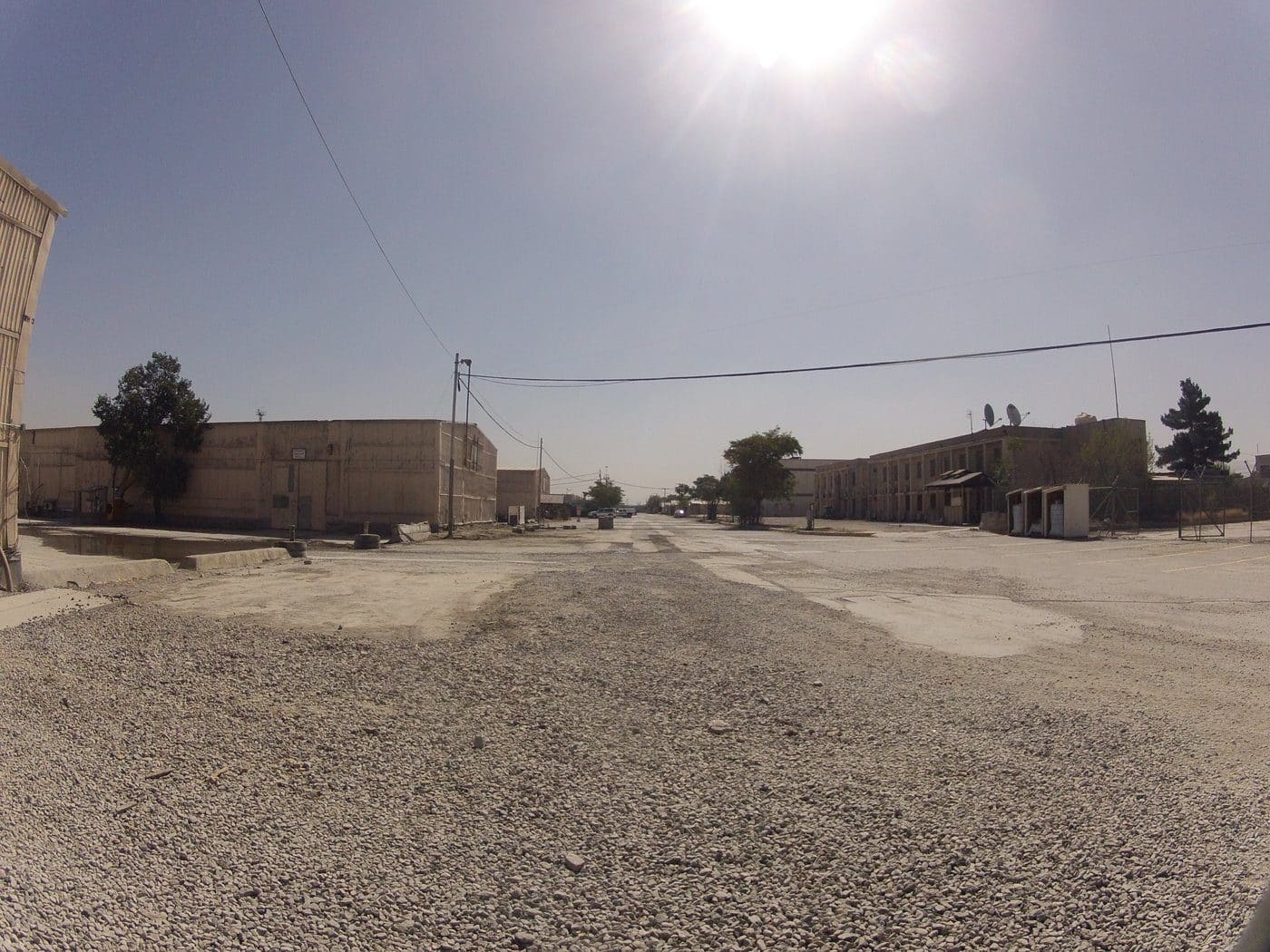
A Pakistan Air Force strike destroyed the Omid Addiction Treatment Hospital, a drug-rehabilitation center in Kabul. Afghan authorities said 408 people were killed and 265 wounded; UNAMA's independent count put it at 269 killed and 122 injured, with the toll likely higher. Pakistan denied targeting a medical facility. Human Rights Watch and UNAMA both said the evidence indicated the hospital was deliberately struck and called it a possible war crime.
Pakistani strike destroys hangars at Bagram Airfield
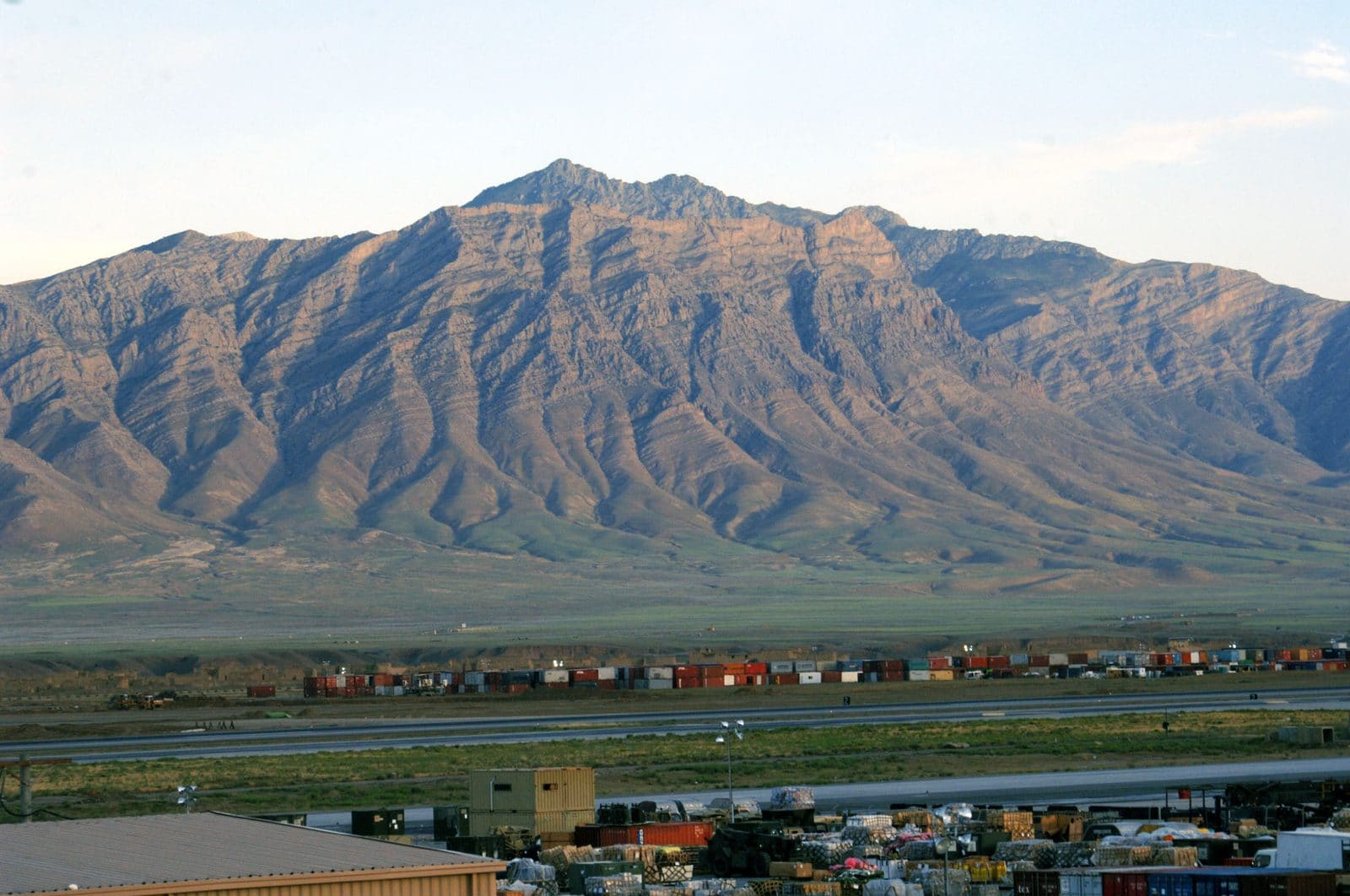
Pakistan Air Force strikes hit Bagram Airfield, the former US base north of Kabul; the Taliban initially denied damage, but satellite imagery later confirmed a hangar and two warehouses had been destroyed, part of a widening target set that by early March also included sites in Kabul, Panjshir, Kapisa, and Herat.
Pakistan declares 'open war,' launches Operation Ghazab-lil-Haq
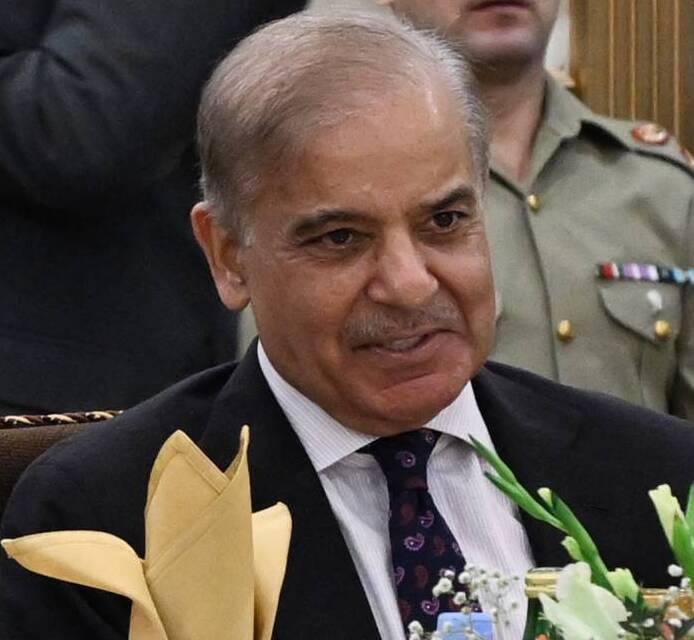
Pakistan's government declared what Fox News described as 'open war' on the Afghan Taliban and launched a named air campaign, Operation Ghazab-lil-Haq, striking Kabul, Kandahar, Paktia, and Nangarhar. A Pakistani strike on a residential area of Nangarhar's Bihsud district killed at least 13 civilians, including 11 children, according to CNN's reporting on the border attack.
Taliban launches coordinated border offensive; claims and denials diverge sharply
Taliban forces attacked Pakistani positions across six eastern provinces. The Taliban claimed 55 Pakistani soldiers killed and 19 border outposts captured; Pakistan said only 2 of its soldiers died and the attack was repulsed. Both figures are the respective side's own claim and have not been independently verified; this pattern of dramatically divergent casualty claims recurred through the war that followed.
Pakistan opens war with airstrikes on Nangarhar, Paktika, Khost
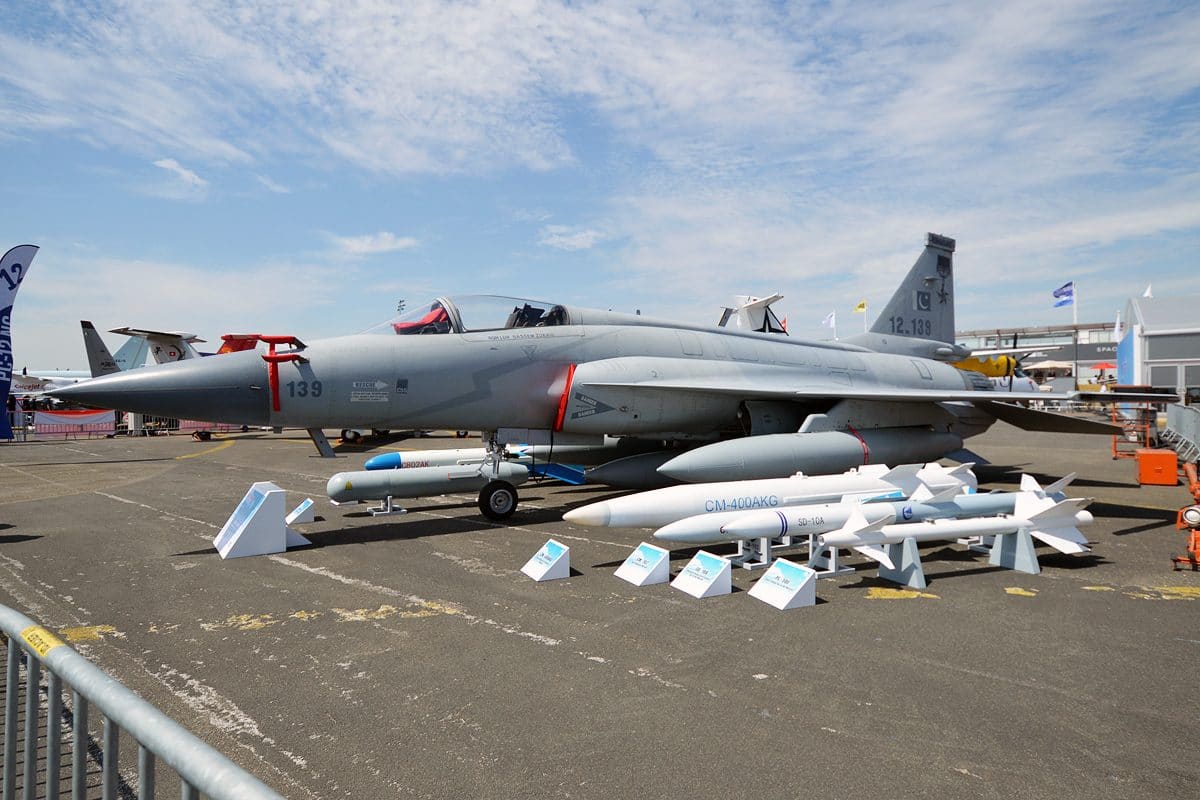
Pakistan Air Force jets struck what Pakistan described as seven TTP and ISIS-K camps across three eastern Afghan provinces, claiming more than 80 militants killed. The Taliban said the strikes killed 18 civilians, including 11 children, in Bihsud district; UNAMA independently reported more than 13 civilians killed and seven injured. Neither side's fighter-force casualty figures have been independently confirmed.
ISIS-K bombs Shia mosque in Islamabad, killing 31
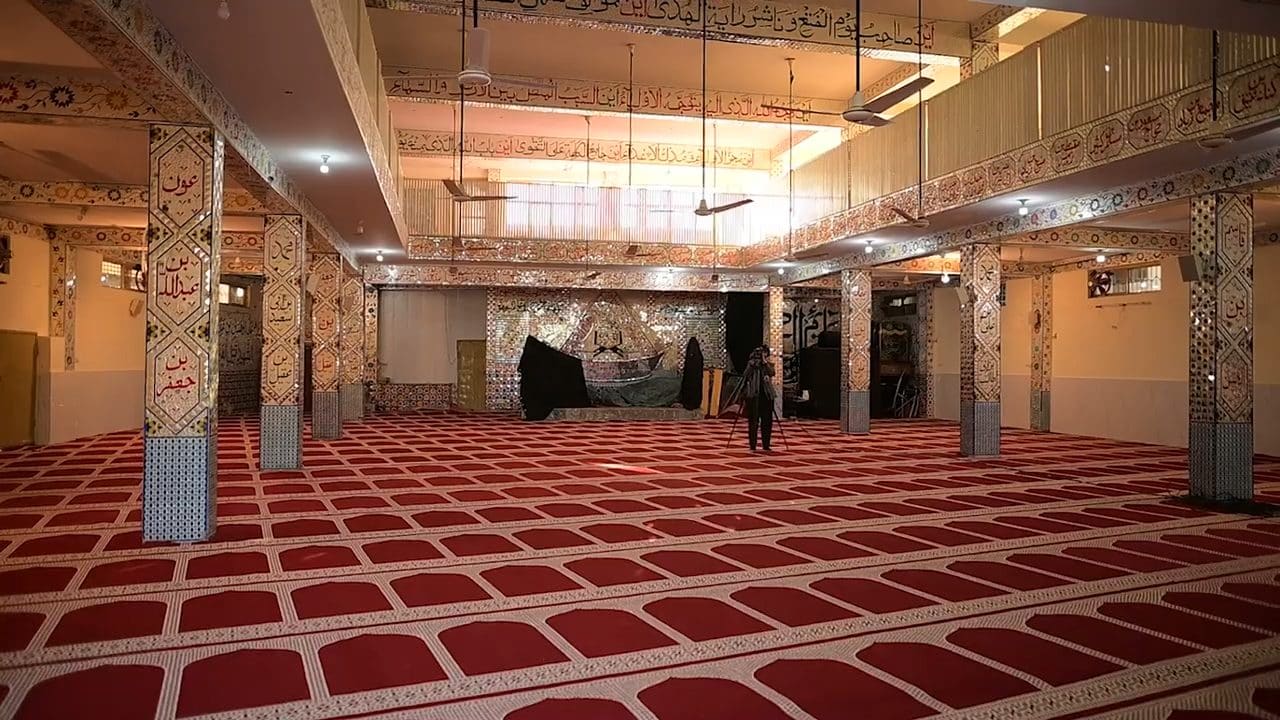
A suicide bomber attacked the Khadija Tul Kubra Mosque, a Shia mosque in Islamabad, during Friday prayers, killing 31 worshippers and injuring more than 169. The Islamic State claimed responsibility; Pakistan's government blamed Afghanistan and India for harboring the plot, both of which denied involvement. Pakistani officials cited the bombing as a direct trigger for the border war that opened two weeks later.
ISIS-K bombs Chinese-owned restaurant in Kabul, killing 7
An ISIS-K suicide bomber attacked a Chinese-owned restaurant in Kabul's Shahr-e-Naw district, killing at least 7 people, including a Chinese Uyghur Muslim, and wounding 13. ISIS-K's Amaq news agency linked the attack to what it called Chinese government abuses against Uyghurs and threatened further attacks on Chinese nationals in Afghanistan.
Taliban says Pakistani strike on Khost kills nine children and a woman
The Taliban government said a Pakistani airstrike on Khost province killed nine children and a woman, one of several incidents through the fragile ceasefire period in which Kabul accused Islamabad of continuing strikes despite the October truce. UNAMA separately recorded at least 70 civilians killed and 478 injured across Afghanistan between October and December 2025.
Follow-on Doha and Istanbul talks fail to produce lasting deal
Talks meant to convert the October ceasefire into a durable settlement broke down amid what Al Jazeera described as deep mutual mistrust, with both governments accusing the other of bad faith over cross-border militant safe havens. The ceasefire's implementation remained fragile through the rest of 2025.
Qatar and Turkey broker ceasefire after deadliest clashes since 2021
After more than a week of cross-border artillery and air exchanges that killed dozens and wounded hundreds, Qatar announced Afghanistan and Pakistan had agreed to an immediate ceasefire following talks in Doha mediated by Qatar, Turkey, and Saudi Arabia. Under the deal, Afghanistan agreed to curb groups attacking Pakistan from its soil, and both sides pledged to avoid targeting civilians and infrastructure.
Pakistan strikes Kabul in failed bid to kill TTP leader
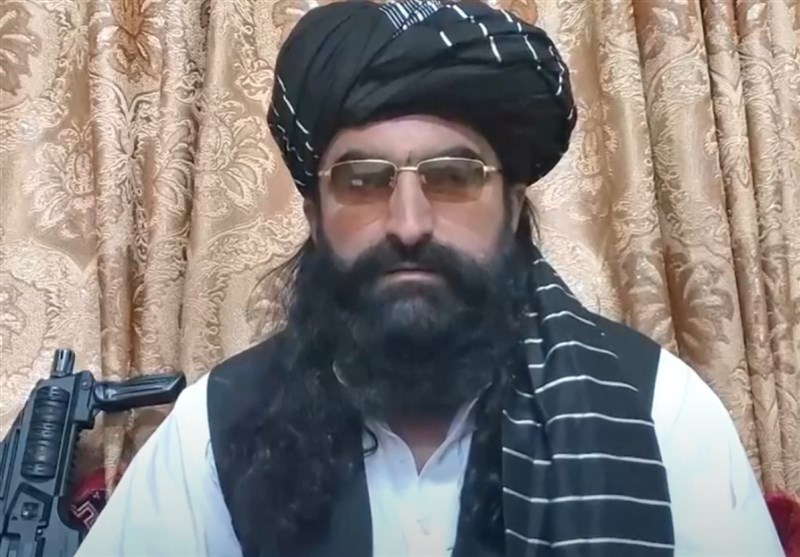
Pakistan conducted airstrikes in Kabul, Khost, Jalalabad, and Paktika under the codename Operation Khyber Storm, targeting TTP leader Noor Wali Mehsud in Kabul's Abdul Haq Square. Mehsud survived; a TTP official said the strikes killed at least two senior members. The strikes triggered the deadliest round of Afghanistan-Pakistan fighting since 2021.
Aid cuts blamed for slow earthquake response
Humanitarian officials said US aid cutbacks, which had already closed 44 clinics serving over 363,000 people in the earthquake-hit provinces earlier in 2025, hampered the response to the August quake. Total humanitarian aid to Afghanistan had fallen to roughly $767 million in 2025, down from $3.8 billion in 2022.
Magnitude-6.0 earthquake kills over 2,000 in eastern Afghanistan
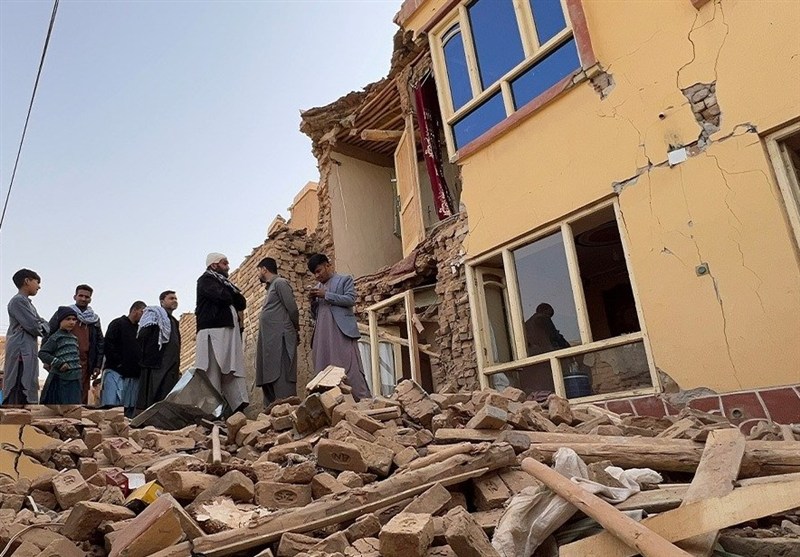
A shallow magnitude-6.0 earthquake struck eastern Afghanistan, followed four days later by a magnitude-6.2 aftershock, killing more than 2,000 people and compounding a humanitarian system already strained by years of funding cuts. The Taliban government appealed for international assistance.
Russia becomes first country to recognize the Taliban government
Russia formally recognized the Taliban's Islamic Emirate as Afghanistan's legitimate government, nearly four years after the takeover, after removing the Taliban from its list of designated terrorist organizations earlier in 2025. The move broke with a Western-led informal consensus against recognition and raised questions about whether other states would follow; none had by mid-2026.
Taliban bans women from medical training
Supreme leader Hibatullah Akhundzada ordered a halt to women's enrollment in nursing, midwifery, and other medical-training programs, closing one of the last paths to higher education still open to Afghan women. Human Rights Watch and the UN warned the ban would worsen an already severe shortage of female health workers in a country where many women can only be treated by women.
Taliban codifies morality rules in Vice and Virtue law
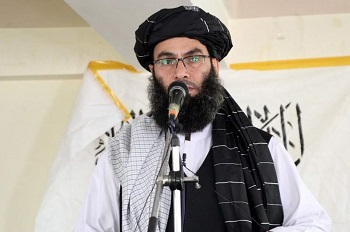
Supreme leader Hibatullah Akhundzada signed a 35-article Law on the Propagation of Virtue and Prevention of Vice, converting years of informal decrees restricting women's dress, movement, and public speech into codified law and further empowering morality police to enforce them. The UN called the law a further institutionalization of gender-based restrictions.
ISIS-K gunmen kill 145+ at Crocus City Hall in Moscow
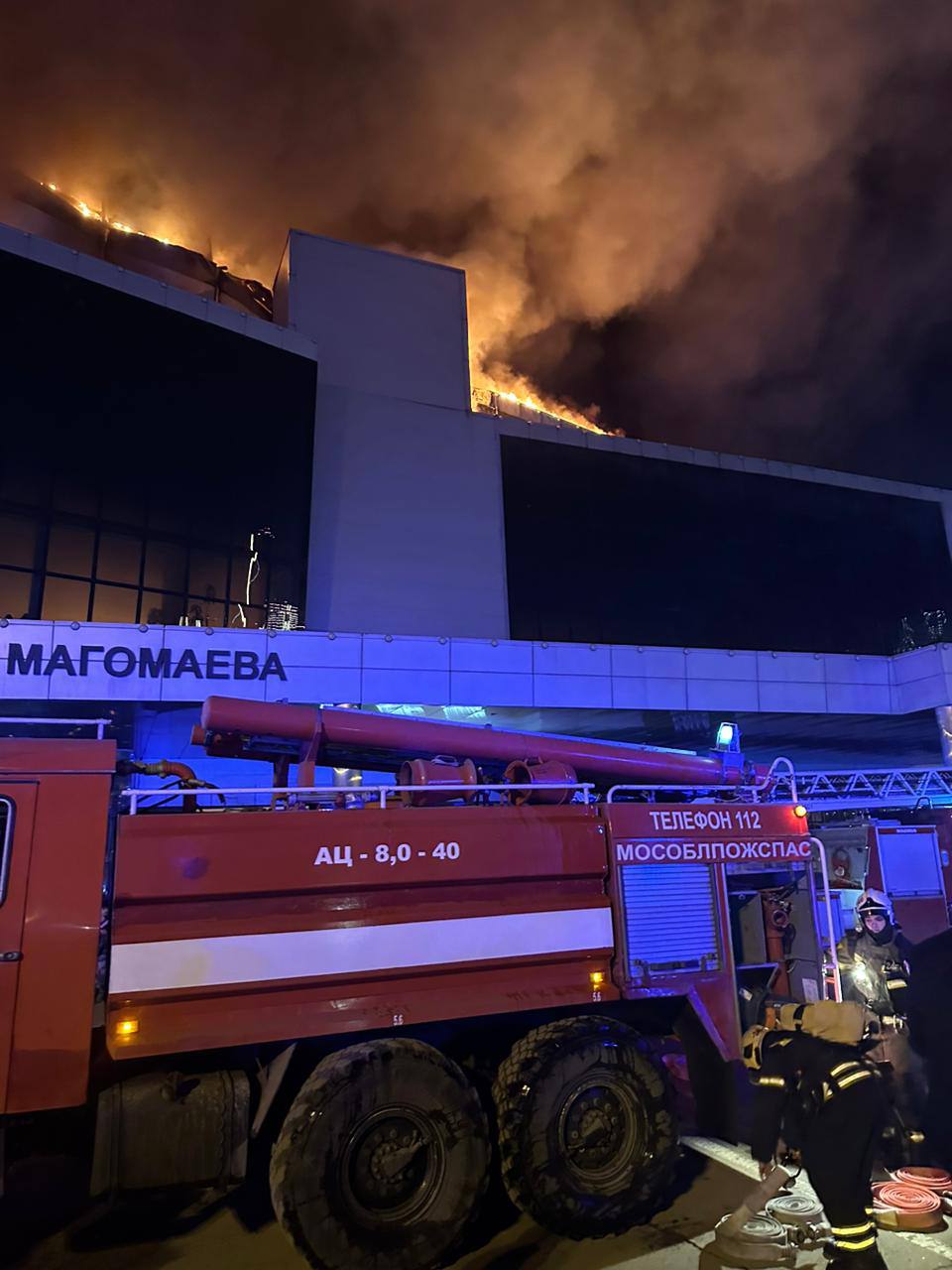
Four ISIS-K attackers carried out a shooting, stabbing, and arson attack at the Crocus City Hall concert venue near Moscow, killing more than 145 people and injuring over 600. Iran had reportedly warned Russia of a planned attack based on intelligence from ISIS-K militants arrested after the Kerman bombing, but the warning did not specify the target.
Pakistan launches first major airstrikes on TTP camps in Afghanistan
Pakistan carried out pre-dawn airstrikes on suspected Tehrik-e-Taliban Pakistan hideouts in Afghanistan's Khost and Paktika provinces, in retaliation for a TTP attack that had killed seven Pakistani soldiers. It was the first acknowledged Pakistani airstrike inside Afghanistan since the Taliban's return to power and opened a pattern of cross-border strikes that recurred through 2024, 2025, and into 2026.
ISIS-K bombs Soleimani memorial in Kerman, Iran, killing 95+
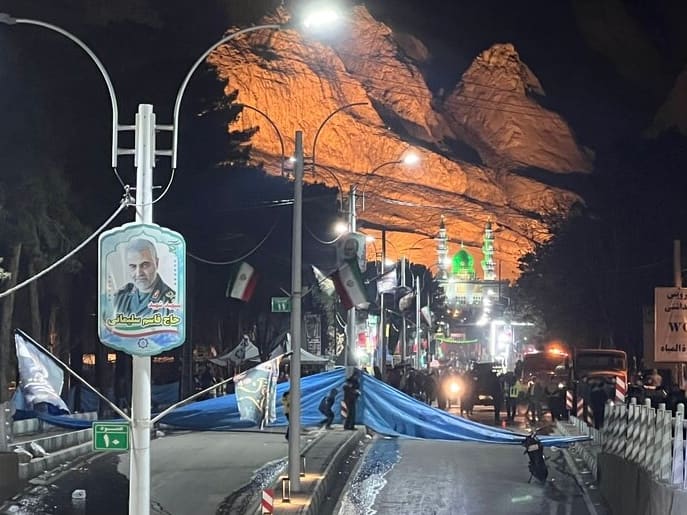
Twin bombs claimed by the Islamic State killed at least 95 people and injured 284 at a ceremony marking the anniversary of Iranian general Qassem Soleimani's death in Kerman, Iran. It was the deadliest attack in Iran since 1978 and demonstrated ISIS-K's reach well beyond Afghan and Pakistani territory.
Herat earthquakes kill nearly 1,500
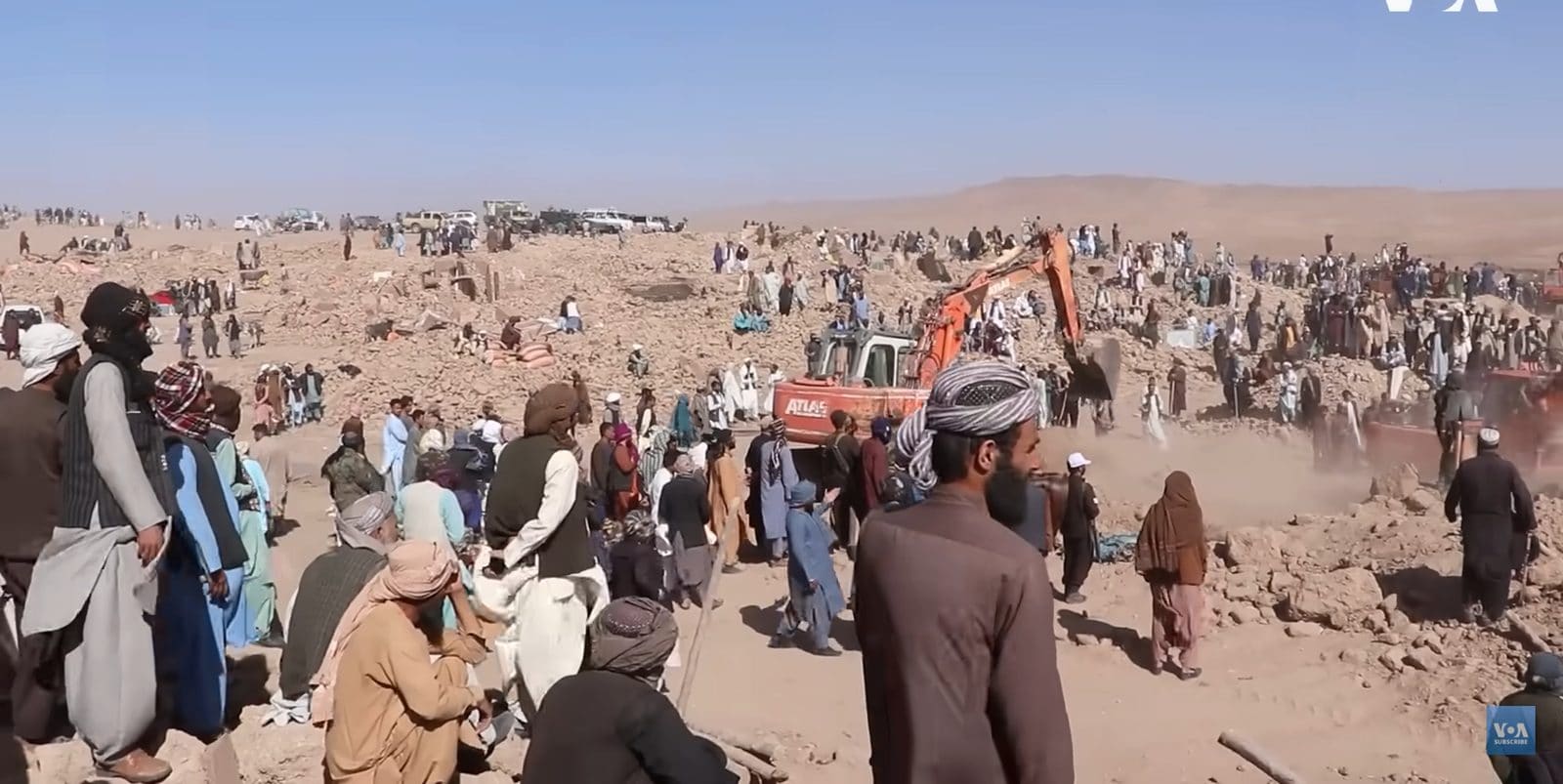
A series of magnitude-6.3 earthquakes struck Herat province in western Afghanistan on October 7, 11, and 15, 2023. The WHO estimated 1,482 deaths and 2,100 injuries, with 90 percent of casualties women and children killed when their homes collapsed; more than 21,500 houses were destroyed.
Taliban bans women from universities
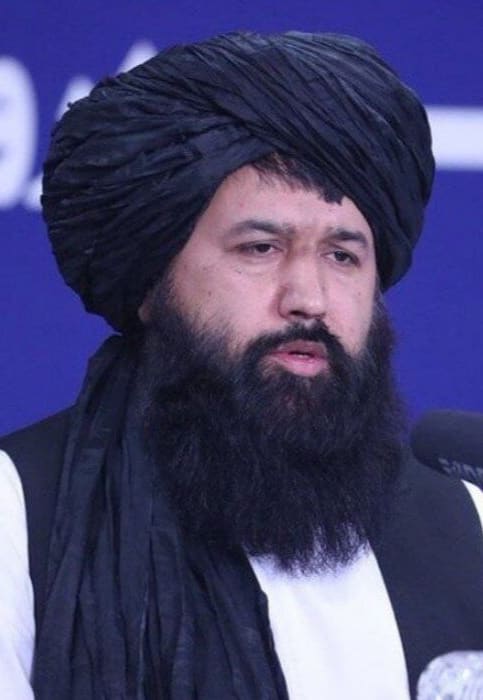
The Taliban's higher education ministry ordered public and private universities to bar female students, extending its earlier secondary-school ban to higher education and drawing international condemnation. Since 2025, roughly 80 percent of young Afghan women are estimated to be excluded from education, employment, or training entirely.
Suicide bombing at Kaaj education center kills 53, mostly Hazara girls
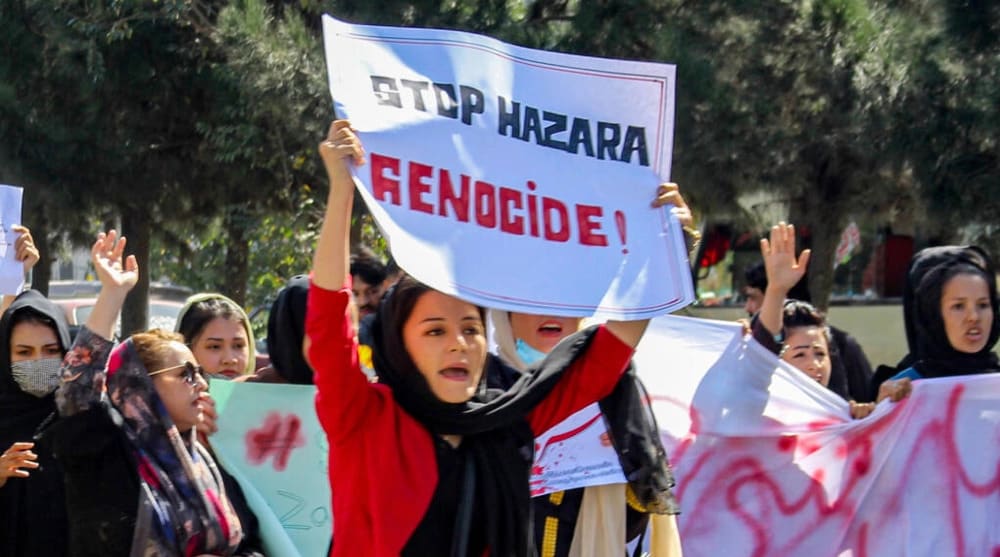
A suicide bomber attacked the Kaaj education center in Kabul's Dasht-e-Barchi neighborhood, a predominantly Hazara Shia area, while students sat a university practice exam. At least 53 people were killed and 110 wounded; 46 of the dead were girls and young women. The UN called it a deliberate attack on a religious and ethnic minority; analysts said the bombing bore ISIS-K's hallmarks.
Taliban reopens boys' secondary schools, excludes girls
A month after taking power, the Taliban ordered secondary schools reopened for boys with no mention of girls, a decision rights groups and the UN treated as the start of a ban on girls' secondary education that has continued without interruption since. Afghanistan remains the only country in the world barring girls from secondary school.
Taliban claims capture of Panjshir; NRF disputes and regroups
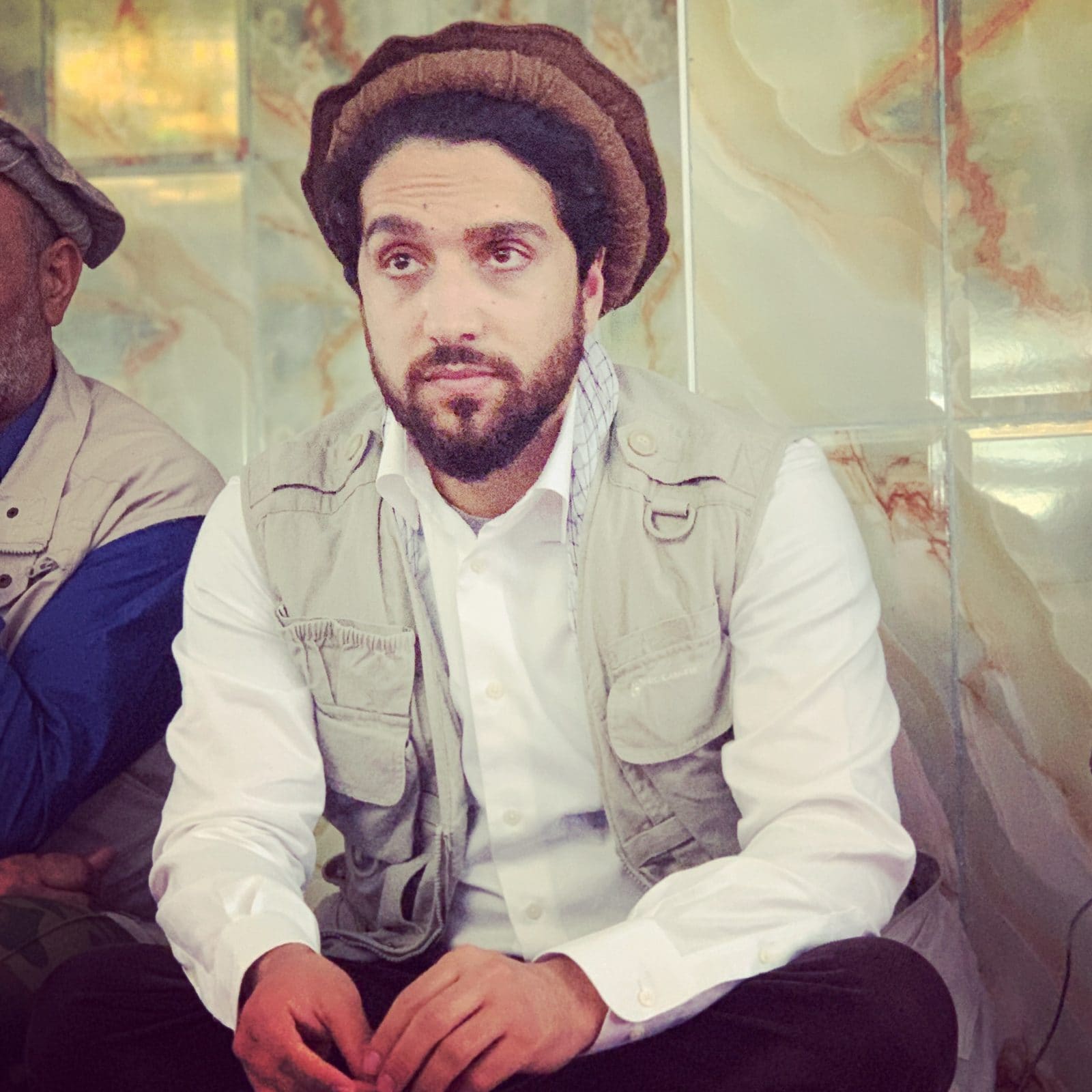
The Taliban announced it had taken full control of Panjshir province, the last holdout of the anti-Taliban National Resistance Front led by Ahmad Massoud. NRF spokesman Ali Nazary disputed the claim, saying the group still held roughly 60 percent of the province and had made only a tactical withdrawal. Massoud later relocated to Tajikistan and then France, from where he continues to direct NRF operations.
ISIS-K suicide bomber kills 182 at Kabul airport's Abbey Gate
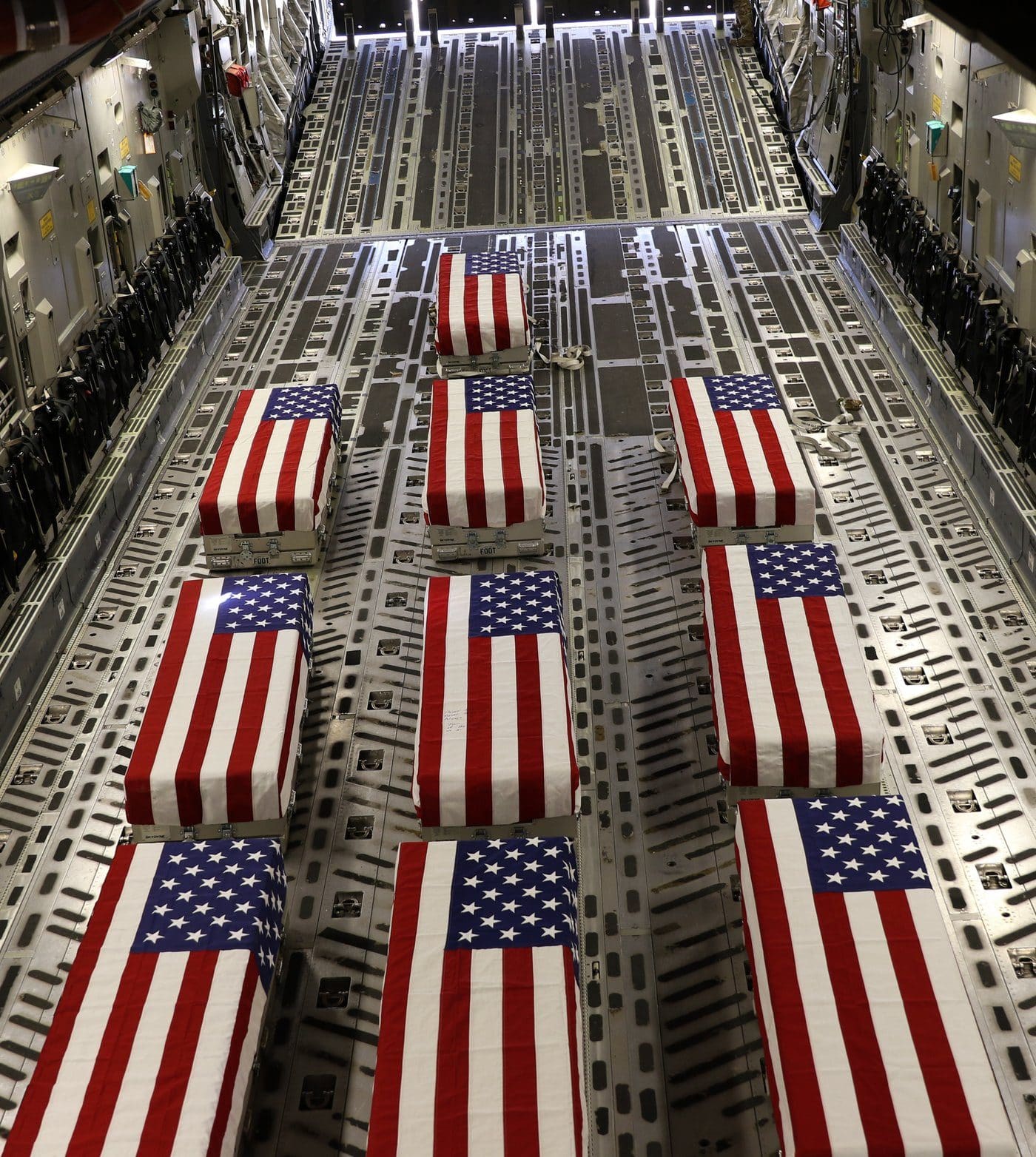
An Islamic State-Khorasan Province suicide bomber detonated an explosive vest at the Abbey Gate entrance to Hamid Karzai International Airport during the US-led evacuation, killing at least 182 people, including 169 Afghan civilians and 13 US service members. The bomber, Abdul Rahman al-Logari, was an ISIS-K operative the Taliban had freed from a coalition detention facility days earlier.
Taliban forces capture Kabul; Ghani flees the country
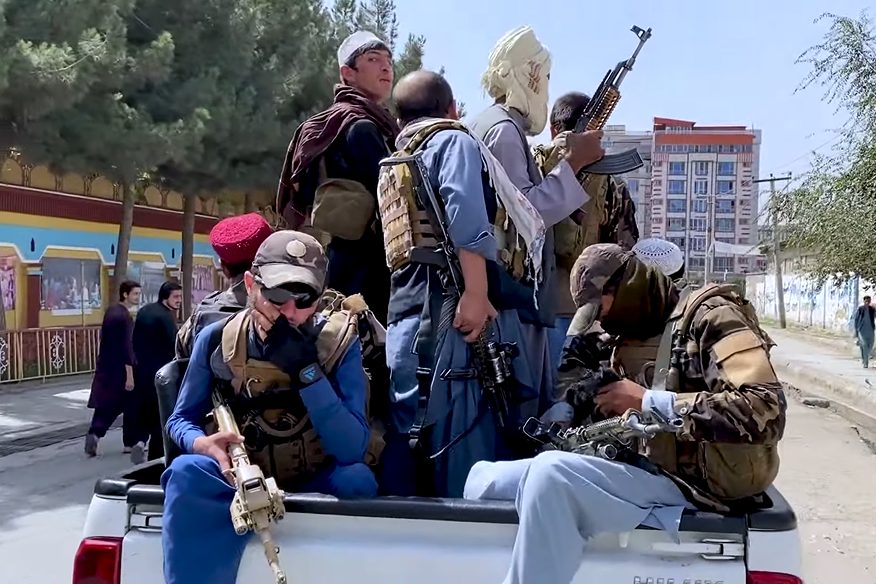
Taliban fighters entered Kabul and took the presidential palace after a rapid, weeks-long offensive that captured every provincial capital. President Ashraf Ghani fled Afghanistan, and the Taliban declared victory, ending the 20-year, US-backed Islamic Republic and beginning the current conflict phase covered on this page.
Frequently Asked Questions
Who controls Afghanistan right now?
The Taliban, formally the Islamic Emirate of Afghanistan, has governed the country since capturing Kabul on August 15, 2021. Its government is not internationally recognized by most states. Russia became the first country to formally recognize it, on July 3, 2025; as of mid-2026 no other government had followed.
What is ISIS-K and is it still active in Afghanistan?
Islamic State-Khorasan Province (ISIS-K) is a jihadist insurgency that opposes the Taliban and has claimed mass-casualty attacks inside Afghanistan (the 2022 Kaaj education-center bombing, the 2026 Kabul restaurant bombing) and abroad (the January 2024 Kerman bombing in Iran, the March 2024 Crocus City Hall attack in Moscow, the February 2026 Islamabad mosque bombing). Analysts assess the group's attack tempo inside Afghanistan fell sharply after 2021 as Taliban counter-insurgency operations killed and captured commanders, but it retains the capability to strike, including abroad.
What is the National Resistance Front and does it still fight the Taliban?
The National Resistance Front (NRF), led by Ahmad Massoud from exile in France, is the main non-jihadist armed opposition to Taliban rule. It formed after the Taliban's September 2021 capture of the Panjshir Valley and has since conducted a low-intensity guerrilla campaign; the group claimed 401 operations across 19 provinces between March 2024 and March 2025. The UN Security Council has assessed the NRF's attacks as sporadic and not a serious threat to Taliban control.
Why are Pakistan and Afghanistan fighting?
Pakistan accuses the Afghan Taliban government of sheltering Tehrik-e-Taliban Pakistan (TTP) militants who launch attacks into Pakistan from Afghan soil; Kabul denies this and says Pakistan's strikes kill Afghan civilians. Cross-border strikes date to March 2024, escalated through October 2025's near-war clashes and a fragile Qatar-brokered ceasefire, and turned into open war after Pakistan declared it on February 27, 2026, following a February 6, 2026 ISIS-K bombing of a mosque in Islamabad that Pakistan blamed partly on cross-border militancy.
What is the current state of women's rights in Afghanistan?
Afghanistan is the only country barring girls from secondary school (since September 2021) and women from university (since December 2022); women have also been barred from most employment, from traveling without a male guardian for long distances, and, since December 2024, from nursing and midwifery training. The Taliban codified many of these restrictions into a 35-article Law on the Propagation of Virtue and Prevention of Vice in August 2024. The UN estimates roughly 80 percent of young Afghan women are excluded from education, employment, or training as a result.
How bad is the humanitarian situation in Afghanistan?
Severe. The UN projected 21.9 million people, about 45 percent of the population, would need humanitarian assistance in 2026, even as total aid funding fell to roughly $767 million in 2025 from $3.8 billion in 2022. Two major earthquakes, in Herat in October 2023 (about 1,482 dead) and eastern Afghanistan in August 2025 (over 2,000 dead), hit a health system that aid officials say was already weakened by clinic closures tied to funding cuts.
Sources
- Fall of Kabul (2021) — Wikipedia
- 2021 Kabul airport attack — Wikipedia
- National Resistance Front — Wikipedia
- Taliban says classes resume for Afghan boys, no mention of girls — Al Jazeera
- September 2022 Kabul school bombing — Wikipedia
- World Report 2025: Afghanistan — Human Rights Watch
- 2023 Herat earthquakes — Wikipedia
- 2024 Kerman bombings — Wikipedia
- 2024 Pakistani airstrikes in Afghanistan — Wikipedia
- Crocus City Hall attack — Wikipedia
- Afghanistan: Condemnation for new Taliban 'virtue and vice' law — UN News
- Afghanistan's Taliban Ban Medical Training for Women — Human Rights Watch
- Russia becomes first country to recognise Afghanistan's Taliban government — Al Jazeera
- Afghanistan earthquake: What we know on the deadly quake — CNN
- How US aid cutbacks hindered Afghanistan's earthquake response — The New Humanitarian
- 2025 Afghanistan-Pakistan conflict — Wikipedia
- Pakistan and Afghanistan agree to new ceasefire after more than a week of deadly clashes — CNN
- 'Last-ditch push': Pakistan-Afghanistan talks falter amid deep mistrust — Al Jazeera
- Taliban says Pakistan bombed Khost, killing nine children and a woman — Al Jazeera
- 2026 Kabul restaurant bombing — Wikipedia
- 2026 Islamabad mosque bombing — Wikipedia
- 2026 Afghanistan-Pakistan war — Wikipedia
- Airstrikes in the Afghanistan-Pakistan war — NPR
- Taliban unleash extensive offensive on Pakistan, deadly border strikes erupt — Fox News
- 2026 Kabul hospital airstrike — Wikipedia
- Pakistan: Airstrike on Afghan Medical Facility Unlawful — Human Rights Watch
- China, Afghanistan, Pakistan hold meeting in Urumqi from April 1 to 7 — CGTN
- Pakistan claims killing 26 Afghan fighters; Taliban says civilians killed — Al Jazeera
- Afghanistan strikes targets in Pakistan, raising cross-border tension — Al Jazeera
- After Afghanistan fires drones into Pakistan, what's next? — Al Jazeera
- July 2026 Balochistan attacks — Wikipedia