Documents
 United States
 Pratt & Whitney
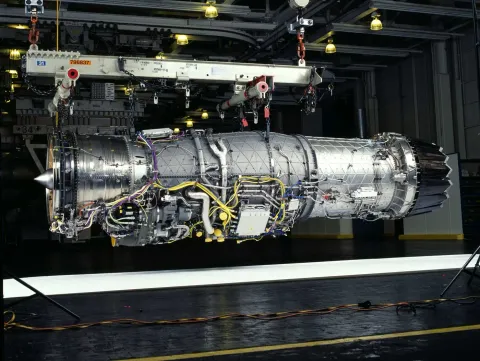
Pratt & Whitney F119
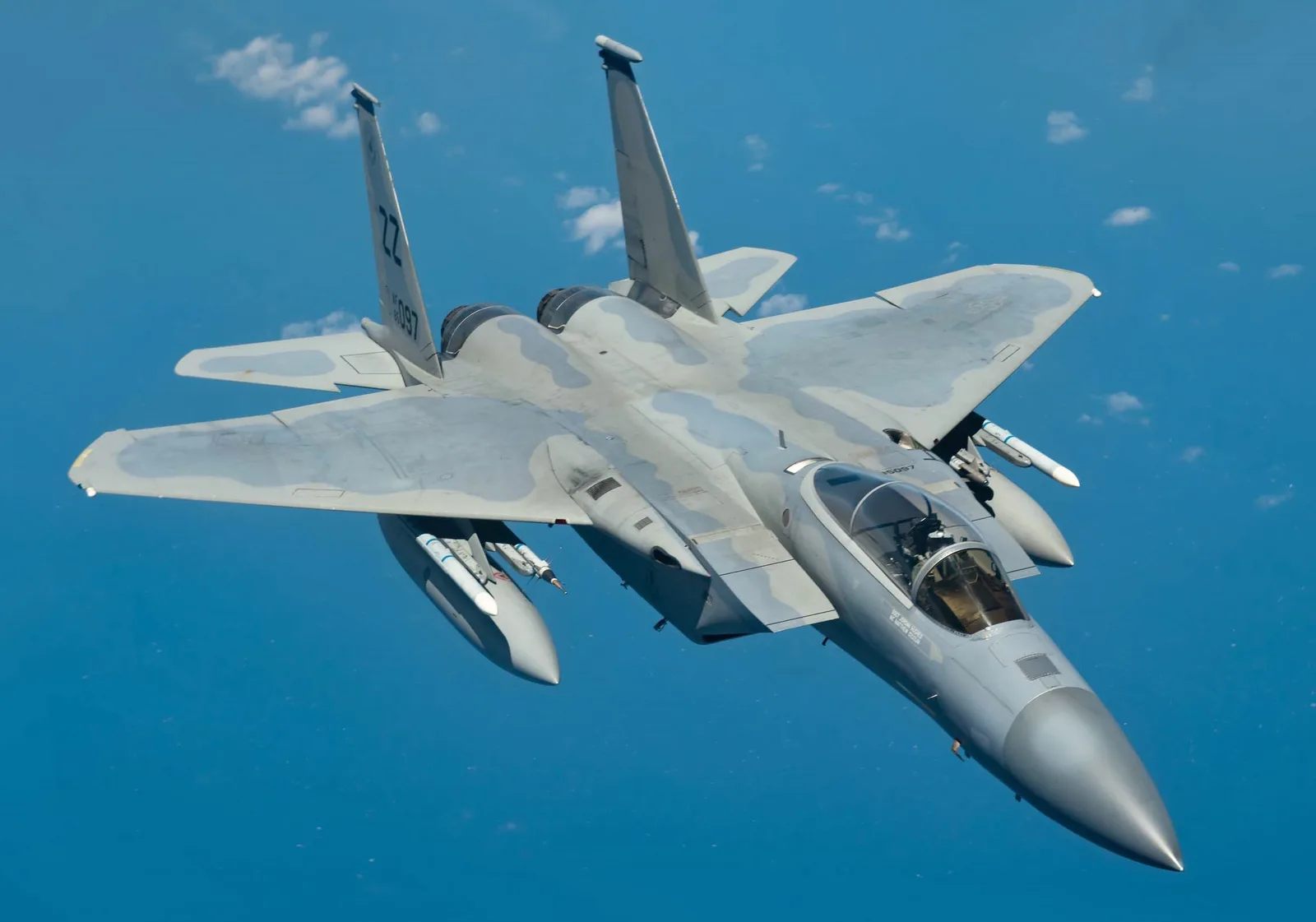
The first operational fifth-generation fighter engine, combining a two-dimensional pitch-vectoring nozzle with stealth shaping to power the F-22 Raptor. Two F119-PW-100 engines give the F-22 sustained supersonic cruise (supercruise) without afterburner.
In service since 2005
Compiled from public sources ·primary reference ↗ ·last verified 2026-08-10
156
kN thrust
2,268
kg
Procurement snapshot
Availability & export
US ITAR-controlled
Export needs U.S. State Dept (DDTC) approval; end-use & re-transfer restrictions apply.
Channel: Foreign Military Sales (FMS) or Direct Commercial Sale
Fielded & proven
Operator data not public
In service since 2005. Status: active.
Lifecycle cost (est.)
No public unit price to model from. Why so few systems publish one →
Interoperability
No standardised NATO calibre / datalink detected in public specs.
Derived guidance from public data, export regime by country of origin, lifecycle from the GAO ~30% acquisition rule. Verify eligibility, pricing and offsets with the manufacturer and your acquisition authority.
Overview
Pratt & Whitney and the U.S. Air Force publicly describe the F119 only as a "35,000-lb thrust class" engine; the exact maximum thrust remains classified, which is why this record omits a thrust-to-weight figure rather than pair a public thrust class with a precise-looking ratio. The engine's pitch-vectoring nozzle deflects thrust up to 20 degrees, giving the F-22 maneuverability at high angles of attack that a fixed nozzle cannot match. Publicly reported unit-cost estimates for the F119 vary widely by source and contract year, from roughly $9.5 million (2006 contract basis) to $16-18 million in inflation-adjusted GAO estimates, too wide a spread to state a single figure with confidence.
Powers these platforms
Systems in the WeaponSpecs database that list the Pratt & Whitney F119 as their engine.

Full specifications
Physical
Dimensions, weight and crew.
| Empty weight Weight without fuel, ammunition or crew. | 2,268 kg |
|---|
Propulsion
Engine, power and fuel.
| Thrust Total engine thrust (with afterburner where applicable). | 156 kN |
|---|---|
| Propulsion type Turbofan, turboshaft, diesel, gas turbine, solid-fuel rocket, ramjet… | Afterburning turbofan |
Specifications compiled from public Pratt & Whitney and reference sources ↗. Published defense figures are approximations, treat comparisons as directional. Last verified 2026-08-10.
Compare with rivals
See how it stacks up
 Eurojet Turbo GmbH Eurojet EJ200
 Similar systems
Related coverage