US to Send Dozens More Refueling Tankers to Israel
The Trump administration has told Israel it will restore aerial refueling deployment to early-war levels, as the White House weighs strikes reaching deeper into Iran's nuclear infrastructure.

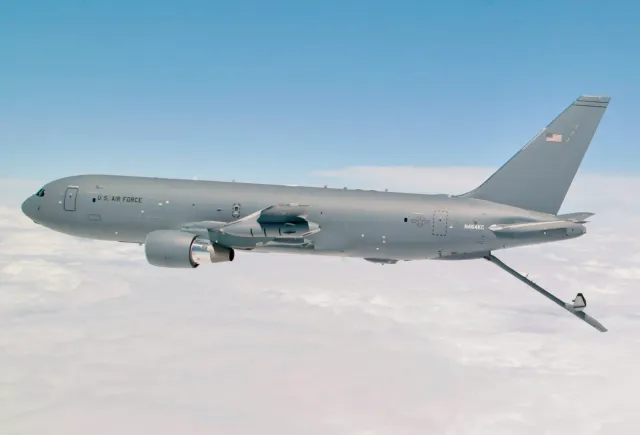
U.S. Air Force photo by Airman 1st Class Paula Arce, 22nd Air Refueling Wing, DVIDS, public domain
The Trump administration has notified Israel it will send dozens more aerial refueling aircraft into the country in the coming days, restoring the tanker presence to roughly the levels seen at the outset of the US-Iran war, according to HNGN and Ynet News, both reporting July 17. The buildup comes as President Trump weighs a broader offensive against Iran that would extend well past the Strait of Hormuz-focused strikes conducted so far, and it lands one day after CENTCOM completed a sixth consecutive night of strikes on Iranian targets.
A logistics surge, not yet a new operation
Three US and Israeli officials told Axios, in reporting relayed by HNGN, that the tanker notification followed a White House Situation Room briefing at which Trump was presented with several expanded military options. Those reportedly include strikes on Iranian civilian power infrastructure, deeper attacks on nuclear sites aimed at further burying Iran’s enriched uranium stockpiles, and a possible strike on a suspected underground facility referred to as Pickaxe Mountain. None of those options has been confirmed as ordered; the tanker buildup itself is what has been verified and announced.
The scale of the request matters more than any single sortie count. Refueling capacity determines how far and how long strike aircraft can operate without landing, so surging tankers back toward early-war levels is a way of expanding what a future strike package could reach, including the kind of deeply buried target a facility like Pickaxe Mountain would represent, well before any order to actually fly such a mission is given.

The numbers, and where they came from
HNGN’s reporting, corroborated by Ynet, puts the current US tanker presence at roughly 30 aircraft at Ben Gurion International Airport near Tel Aviv and a similar number at Ramon Airbase in southern Israel, a combined footprint of around 60 tankers already in the country. More than 60 aircraft have arrived cumulatively since the buildup began, including a peak of 33 that were at one point parked at Ben Gurion alone. Israeli officials told HNGN the additional aircraft now inbound would bring the total back toward the levels seen at the war’s opening, though the new arrivals will be based at Israeli Air Force facilities rather than Ben Gurion.
That initial deployment, per Army Recognition’s May 20 reporting, began with at least 9 KC-46A Pegasus and 5 KC-135R Stratotanker aircraft arriving between February 26 and 28, 2026, before concentration during March operations likely exceeded 30 aircraft at once. That combined force more than doubled the immediately available aerial refueling capacity Israel could draw on beyond its own aging fleet of seven KC-707 “Re’em” tankers, some in service since 1979. Army Recognition also reported that Israeli broadcaster Channel 12 has indicated dozens of US tankers and support personnel could remain in the country until at least the end of 2027, a timeline that predates this week’s news and suggests the current buildup is an acceleration of an already-planned extended presence rather than an ad hoc surge.
An airport running out of room
The refueling buildup has collided with an unrelated dispute over civil aviation capacity at Ben Gurion. HNGN reports that Israeli Transportation Minister Miri Regev has pushed to cap the number of tankers stationed there to 20 by July 21, citing disruption to roughly 50,000 summer commercial flight bookings as US aircraft have crowded out civilian traffic. US Central Command officials have objected, telling senior Israeli defense officials that the proposed restriction could undermine operational flexibility, and the Israeli Defense Forces have backed the American position, describing the refueling fleet as a strategic asset of critical operational importance. The compromise reached so far routes newly arriving aircraft to Israeli Air Force bases instead of Ben Gurion, rather than reducing the total footprint, while US officials reportedly still prefer operating from Ben Gurion because other regional bases are considered more exposed to Iranian attack.
The wider picture
This buildup does not sit in isolation. WeaponSpecs reported the naval blockade Iran reinstated against its own shipping in the Strait of Hormuz on July 14, and covered CENTCOM’s sixth consecutive night of strikes on Iranian bridges and infrastructure on July 17. HNGN’s reporting ties the current tanker surge to the same thread: ship traffic through the Strait of Hormuz fell Thursday to its lowest level in three weeks, with nearly all vessels using the route closest to Iran subject to approval by the Islamic Revolutionary Guard Corps, despite Trump’s public claims that the strait remains open. Iran has so far not struck Israel directly since the current campaign intensified, which officials attribute to deterrence against a larger retaliation; the tanker buildup itself, visible on the ground at two Israeli airbases, could read to Tehran as a signal of further escalation even before any new strike order is given.
Sources
- US To Send Dozens More Refueling Planes To Israel As Trump Weighs Wider Iran Offensive — HNGN, Jul 17, 2026
- US sends dozens of refueling planes to Israel ahead of possible escalation with Iran — Ynet News, Jul 17, 2026
- US tanker fleets to remain at Israel's Ben Gurion Airport until 2027 for potential strikes on Iran — Army Recognition, May 20, 2026
Systems mentioned
Every system named in this story, with its photo and, where available, a video. Tap a card to open the full spec sheet.
Transport & tanker
KC-46 PegasusFrequently asked questions
How many US refueling tankers are currently in Israel? +
Roughly 30 US military refueling aircraft are stationed at Ben Gurion International Airport and a similar number at Ramon Airbase in southern Israel, according to HNGN's July 17 report citing Axios sourcing. More than 60 have arrived in the country cumulatively since the buildup began, with a peak of 33 parked at Ben Gurion at one point.
Why is the US sending more tankers now? +
Three US and Israeli officials told Axios the move follows a White House Situation Room briefing where President Trump was presented with options for a broader offensive against Iran, potentially including strikes on civilian power infrastructure and deeper attacks on nuclear sites. Restoring tanker numbers to early-war levels extends the range and duration of strikes the US and Israel could fly.
Is this a declaration of a new war? +
No. It is a logistics buildup supporting an already six-months-old US-Israel campaign against Iran that began February 28, 2026, and follows six consecutive nights of US strikes on Iranian targets. No new operation against Iran has been announced as of this writing.
Why is there a dispute over where the tankers are based? +
Israeli Transportation Minister Miri Regev has pushed to cap tankers at Ben Gurion to 20 aircraft by July 21 to reduce disruption to roughly 50,000 summer commercial flight bookings. CENTCOM has objected, and the compromise reached routes new arrivals to Israeli Air Force bases rather than Ben Gurion, while the IDF has backed the US position, calling the refueling fleet a strategic asset.
More news


