Ukraine's Liutyi Drones Hit Ufa Refineries 1,600 km Deep
SBU strike drones reached Russia's Bashkortostan region while naval drones sank a Rosatom-linked cargo ship, a single overnight package combining land and sea long-range strikes.

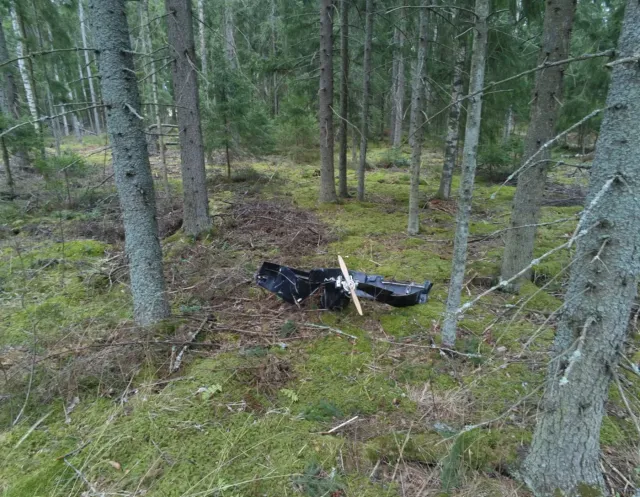
Police of Finland, via Wikimedia Commons, public domain
Ukraine’s Security Service struck three refineries in Russia’s Bashkortostan region overnight into August 1, roughly 1,600 kilometers from the Ukrainian border, using long-range Liutyi strike drones, while Ukrainian naval drones separately sank a Rosatom-linked container ship in the Black Sea, a single overnight package that combined a deep land strike with a maritime one.
A 1,600-kilometer reach into Russia’s refining belt
The SBU said its drones struck three plants that together make up one of Russia’s largest refining clusters: Bashneft-UNPZ, Bashneft-Novoil and Bashneft-Ufaneftekhim, all part of state oil company Rosneft’s structure in the city of Ufa, capital of the Republic of Bashkortostan. Combined, the three plants process more than 23 million tons of oil a year, producing gasoline, diesel, aviation kerosene and other fuels that, per the SBU, supply the Russian military, the agency’s stated justification for treating them as legitimate wartime targets rather than purely civilian infrastructure. Local residents filmed what independent Russian outlet ASTRA and other geolocated footage identified as a Ukrainian long-range strike drone flying over the city ahead of the attack, and two columns of black smoke were visible rising from the refinery complex afterward. Ufa International Airport temporarily suspended flights following the explosions.
Ufa sits roughly 1,600 kilometers from Ukraine’s border, deep in the Ural refining belt that has historically been considered out of reach for Ukrainian strikes. The distance matters because it falls comfortably within the assessed range of Ukraine’s An-196 Liutyi drone, a domestically built, propeller-driven one-way attack platform sometimes described as Ukraine’s answer to Russia’s Shahed. WeaponSpecs’ own database credits the Liutyi with a roughly 2,000-kilometer range based on open-source wreckage analysis, meaning this mission used most of, but not beyond, its known operating envelope.

Bashkortostan’s regional head, Radiy Khabirov, downplayed the incident, saying only “debris” had fallen and claiming the attack was thwarted.
“It’s really burning strong, and the videos don’t capture that,” a local resident said, describing flames visible even from a distant high-rise building (KNEWS.MEDIA, Drone strike causes fire at major oil refinery in Ufa, Russia, August 1, 2026).
Khabirov’s “debris, attack thwarted” account is a Russian state claim, not independently verified, and it is directly contradicted by the geolocated smoke footage and eyewitness accounts of sustained fire that multiple independent outlets reported the same day. The gap between the official framing and what residents filmed is itself part of a familiar pattern with Russian regional officials downplaying refinery strikes, one this desk has flagged in prior coverage of Ukrainian drone strikes on Russian refining infrastructure this summer.
A Rosatom-linked ship sinks in the same window
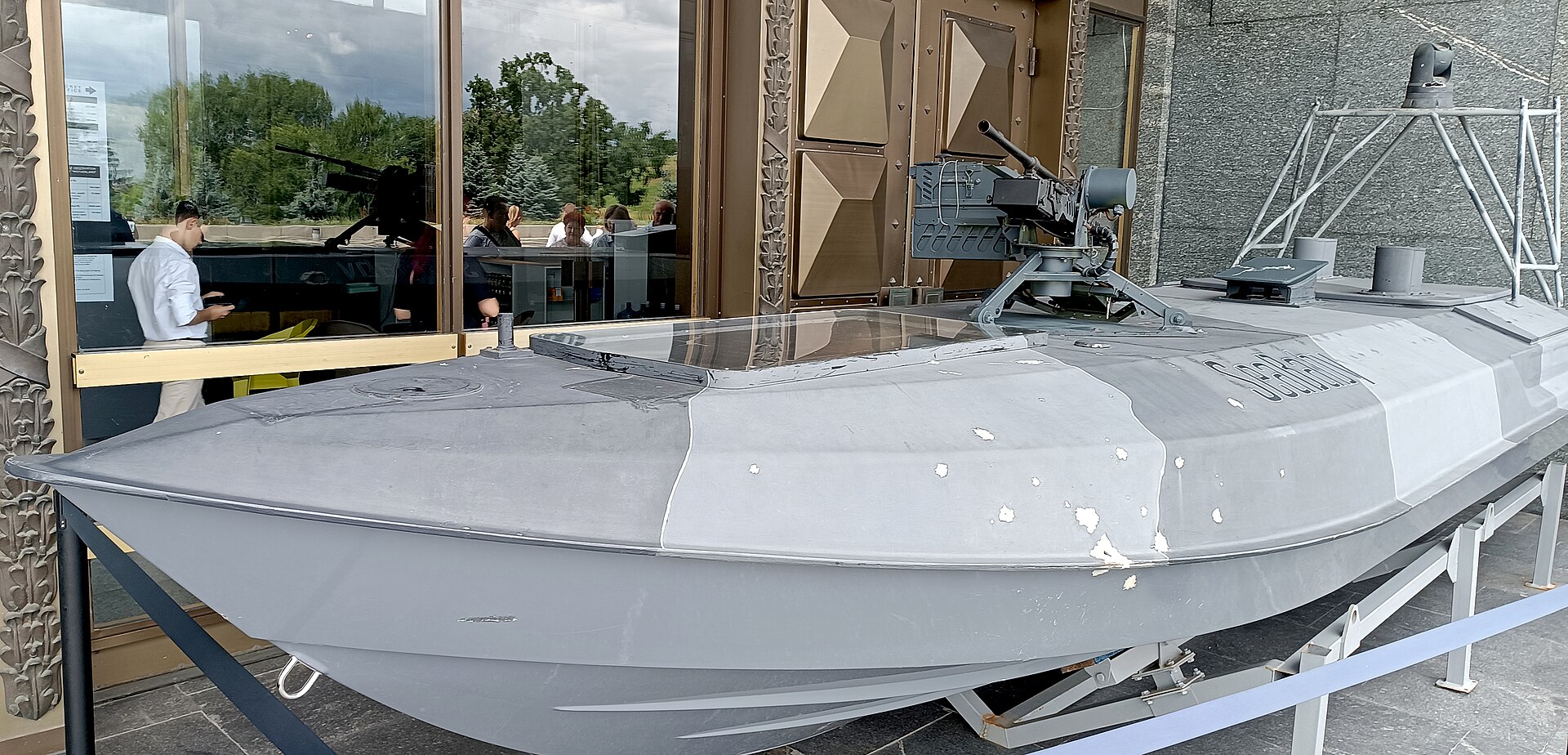
In the same overnight operation, Ukrainian naval drones, whose exact type was not named in available reporting, struck and sank the container ship Yanina roughly 130 nautical miles off the port of Novorossiysk in the Black Sea. Zelenskyy described Yanina as a sanctioned Russian container ship with a capacity of more than 100,000 metric tons. The vessel was operated by FESCO, a major Russian logistics firm that has been under the control of Rosatom, Russia’s state nuclear energy corporation, since 2023, an ownership structure that ties a maritime strike directly into Russia’s state-linked commercial shipping network rather than a purely private target.
“The ship’s crew abandoned the ship in an organized and coordinated manner after it began to sink. All 17 crew members have been rescued and are in good condition,” Rosatom said in a statement, attributed to Director General Alexey Likhachev (The Moscow Times, Ukraine Sinks Russian-Owned Container Ship in Black Sea, Rosatom Says, August 1, 2026).
Rosatom’s confirmation that the ship sank and that all 17 crew were rescued is corroborated by Ukrainian reporting as well, so the bare facts of the sinking and the rescue are treated here as established. Rosatom’s characterization of the cargo, describing it only as civilian goods including frozen food and construction materials, and its framing of the strike as unjustified given that framing, is the Russian state side’s account and is presented here as such rather than as independently verified fact. Zelenskyy separately listed additional targets from the same night: Podlet-K1 and Kasta-2E2 radar stations in Krasnodar Krai, plus electronic-warfare and air-defense positions in occupied Crimea, rounding out a package that hit refining capacity, a cargo vessel and radar coverage in one night.
Why the range matters more than the target list
Individually, a refinery strike or a ship sinking is a familiar entry in this war’s daily ledger; Ukraine has hit Russian refineries and Black Sea shipping repeatedly over the past year. What makes this overnight package notable is the combination: a 1,600-kilometer land strike using a domestically built drone, a naval strike 130 nautical miles offshore, and radar suppression in occupied Crimea, all in a single night, using systems Ukraine builds itself rather than weapons supplied by Western partners. That matters because Ukraine’s Western-supplied long-range strike options, ATACMS and the small number of donated cruise missiles, remain limited in quantity and subject to political restrictions on how deep into Russia they can be used. The Liutyi and Ukraine’s naval drone fleet carry no such restrictions, because Kyiv controls both their production and their targeting decisions.
That independence is also the strike’s real strategic signal. As Ukraine’s own long-range drone programs mature, they function increasingly as a substitute for the Western missiles it still lacks in the quantities it would need to sustain a comparable campaign, extending Ukraine’s reach into Russia’s interior on a timeline and to a scale that Kyiv, not Washington or European capitals, decides.
Sources
- Ukraine strikes 3 oil refineries, 4 radar systems deep inside Russia, SBU says — The Kyiv Independent, Aug 1, 2026
- Ukrainian Drones Sink Russian Ship Yanina, Hit 3 Ufa Refineries — Kyiv Post, Aug 1, 2026
- Not only three refineries in Ufa: SBU reveals details of night strikes — UNN, Aug 1, 2026
- Ukraine Reaches 1,600 km Into Russia to Strike Three Major Oil Refineries — United24 Media, Aug 1, 2026
- Drone strike causes fire at major oil refinery in Ufa, Russia — KNEWS.MEDIA, Aug 1, 2026
- Ukraine Sinks Russian-Owned Container Ship in Black Sea, Rosatom Says — The Moscow Times, Aug 1, 2026
- Russia reported the sinking of a Rosatom vessel following an attack by Ukrainian naval drones — LIGA.net, Aug 1, 2026
Systems mentioned
Every system named in this story, with its photo and, where available, a video. Tap a card to open the full spec sheet.
UAV / drone
AN-196 LiutyiFrequently asked questions
What is the Liutyi drone that hit the Ufa refineries? +
The Liutyi (An-196) is a Ukrainian-built long-range one-way attack drone used for deep strikes into Russia, sometimes described as Ukraine's answer to the Shahed. This mission reportedly flew roughly 1,600 km from the Ukrainian border to reach Bashkortostan, well within the drone's roughly 2,000 km assessed range.
Why does Ukraine target oil refineries inside Russia? +
Ukraine's SBU says refineries like the Bashneft cluster in Ufa produce gasoline, diesel and aviation kerosene that supply the Russian military, framing them as legitimate wartime targets rather than civilian infrastructure.
What was the Yanina, and why does its ownership matter? +
The Yanina was a Russian-flagged container ship with a capacity of over 100,000 metric tons, operated by FESCO, a Russian shipping firm that has been under the control of Rosatom, Russia's state nuclear energy corporation, since 2023. Its sinking ties a maritime strike directly to Russia's state-linked commercial shipping network.
Did Russia confirm the damage from the Ufa strike? +
Only partially. Bashkortostan's regional head, Radiy Khabirov, said only 'debris' fell and claimed the attack was thwarted, a state claim contradicted by independently reported fire and thick smoke visible from across the city.
More news


