Kyiv Hit as Zelensky Says Patriot Interceptors Ran Out
Russia fired 35 missiles and 185 drones at Kyiv, and Ukraine intercepted only one of 27 ballistic missiles, a day after Trump walked back a promised Patriot production license.

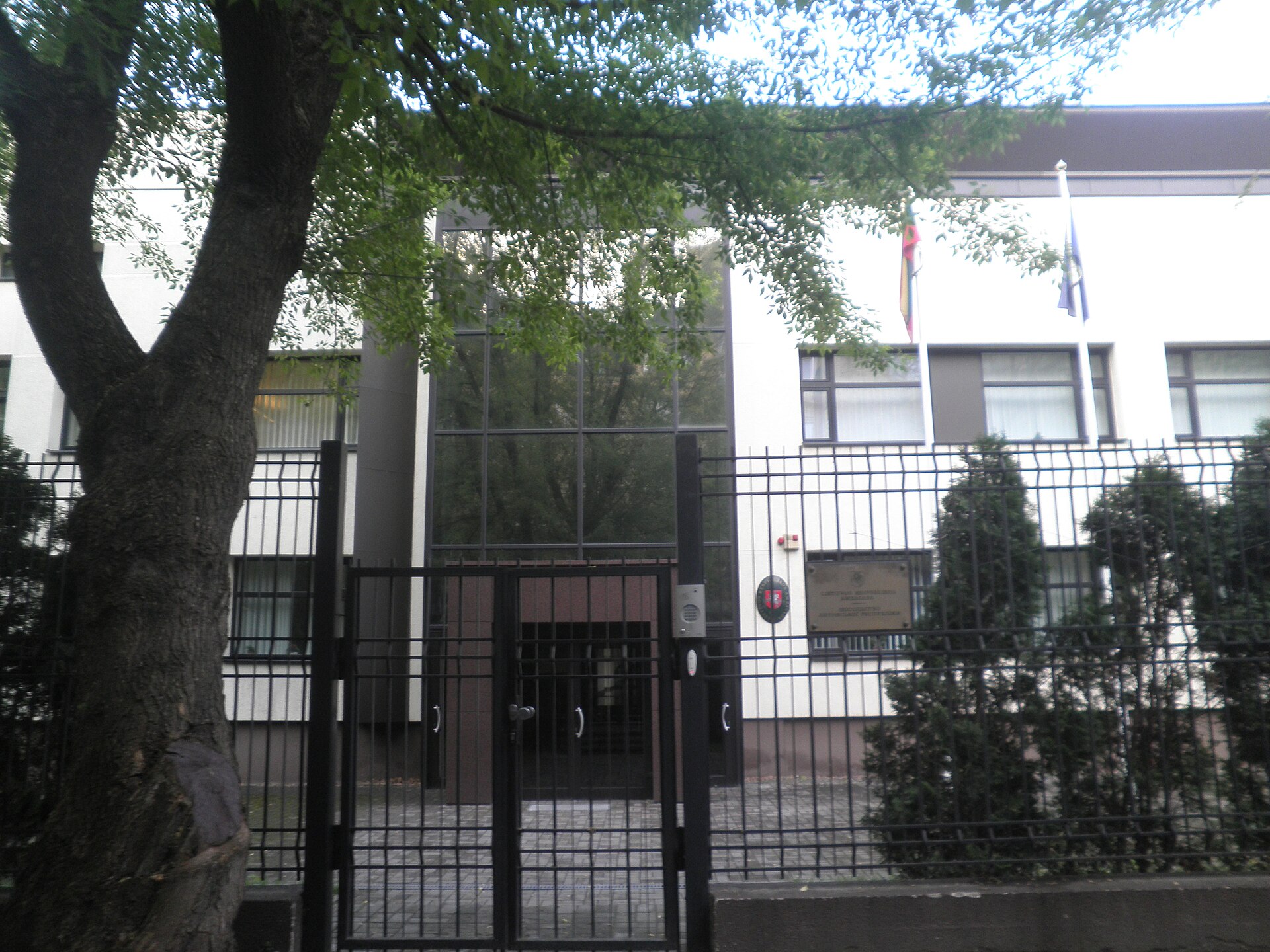
U.S. Army photo by Staff Sgt. Clara Harty, via Wikimedia Commons, public domain (DVIDS VIRIN 250219-A-UZ346-1113)
Russia launched a massed ballistic-missile-and-drone attack on Kyiv overnight into August 1, 2026, and Ukraine’s Air Force said just 2 of the 35 missiles involved were shot down, including only 1 of 27 ballistic missiles. President Volodymyr Zelenskyy said the reason was simple: Ukraine has run out of the interceptors that make its Patriot batteries work, a shortage that comes one day after President Trump walked back a promise to let Ukraine build its own.
A barrage built to overwhelm, not just strike
Ukraine’s Air Force said Russia fired a total of 35 missiles, 27 of them ballistic, alongside 185 Shahed-type attack drones overnight, the vast majority aimed at Kyiv. Of that barrage, only 2 missiles were intercepted in total, and just 1 of the 27 ballistic missiles was shot down; drone defenses fared far better, downing 154 of the 185 launched. The mismatch is the story: Ukraine’s counter-drone layer, built cheaply and at scale over three years of war, is holding up. Its counter-ballistic layer, dependent on a small number of imported Patriot interceptors, is not.
At least 9 people were killed, a figure Al Jazeera and the Kyiv Independent both independently confirmed. The wounded count was still being finalized through the day: Al Jazeera reported 33 injured, while the Kyiv Independent’s running tally stood at more than 30, including 4 children, as the outlet continued updating a developing story. Kyiv Mayor Vitali Klitschko reported residents trapped in a partially collapsed five-story building in the Solomianskyi district; in the Darnytskyi district alone, 7 people were killed and 14 injured, including 2 children. Regions outside the capital, including Dnipropetrovsk, Sumy, Kharkiv and Poltava, were also targeted the same night.
“Every package of ballistic missile interceptors saves the lives of our people. And every night without them results in more casualties,” said Ukrainian President Volodymyr Zelenskyy (Al Jazeera, Russian missile attacks kill at least nine in Ukraine’s Kyiv, August 1, 2026).
Zelenskyy put the damage at 18 buildings, a school and additional infrastructure facilities, alongside the Lithuanian embassy. Kyiv Post reported that a medical transport depot was hit directly, destroying 5 ambulances and damaging 20 more, a direct hit on the city’s ability to move the wounded to hospitals in the hours after a strike. Four buildings were reported partially destroyed. This is the second major Russian attack on Ukraine within 48 hours, following a July 30 strike already covered separately; what makes this one distinct is not its size alone but Zelenskyy’s explicit framing of it as a supply failure rather than a targeting failure.
Missiles landed meters from a NATO embassy
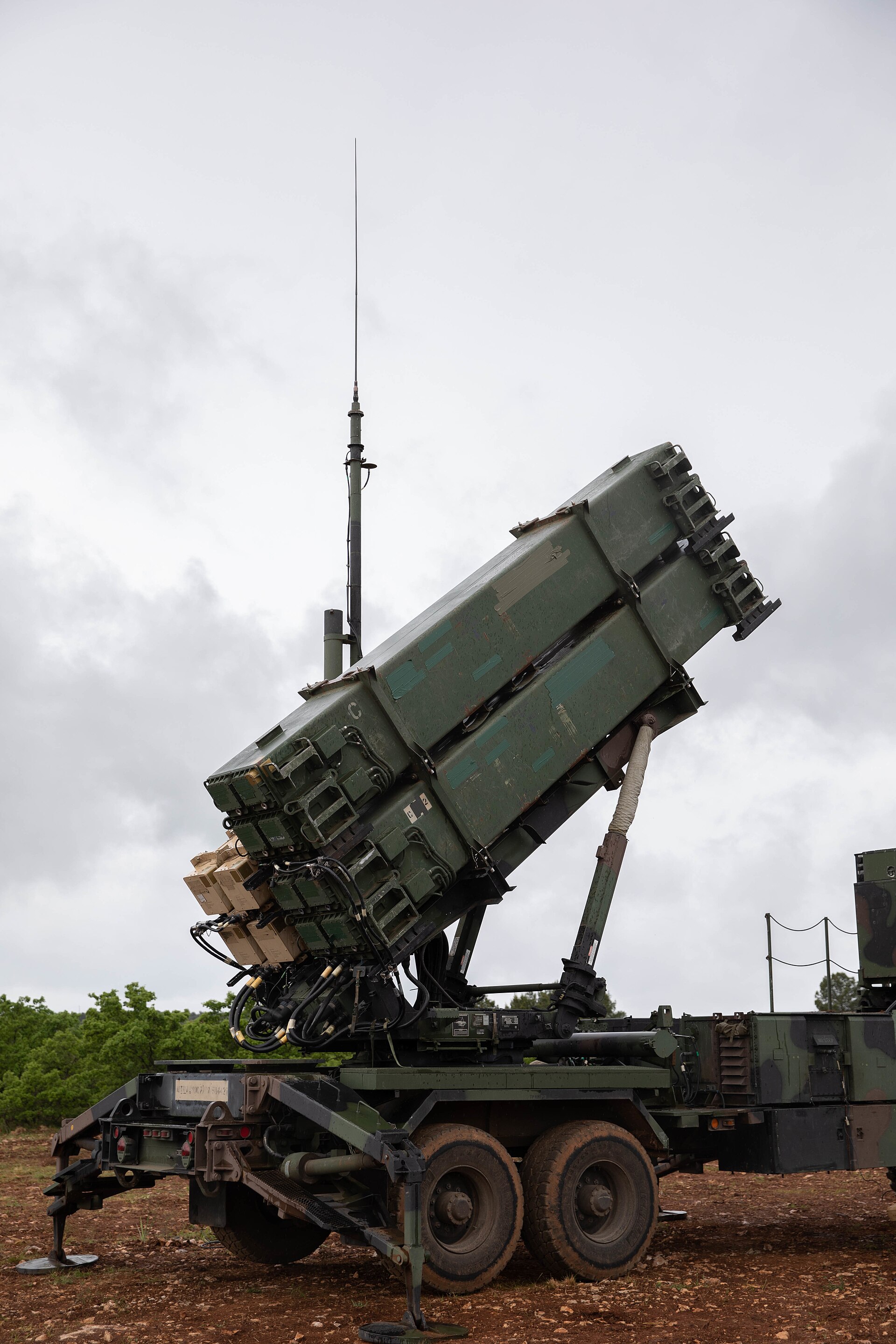
Two of the missiles landed close enough to the Lithuanian embassy in Kyiv that windows broke and the compound grounds were littered with debris, Lithuania’s Foreign Ministry said, with one strike reportedly landing roughly 10 meters from the building itself. No embassy staff were injured. Lithuania summoned Russia’s diplomatic representative in Vilnius in protest.
“Russian terror spares no one and respects no international norms, including the provisions of the Vienna Convention,” Ukrainian Foreign Minister Andrii Sybiha said, offering Lithuania assistance and expressing solidarity (Kyiv Post, Russian Attack on Kyiv Damages Lithuanian Embassy and 25 Ambulances, August 1, 2026).
Lithuania’s head of diplomacy said the damage to an EU and NATO member’s diplomatic mission strengthens the case for tougher sanctions on Russia and increased support for Ukraine, a case that carries more diplomatic weight than a strike on a residential district precisely because it directly touches a NATO-member interest, not just a Ukrainian one. It is the kind of incident, like Russian drones and missile debris repeatedly reaching Polish and Romanian territory this year, that keeps the war’s spillover risk to NATO’s own members in view even when no alliance member is the intended target.
27 ballistic missiles fired, 1 intercepted, roughly a 4% intercept rate against the weapon class Patriot exists specifically to stop, the clearest single number behind Zelenskyy's "we've run out" statement.
A license promised, then walked back
The strike lands one day after President Trump reversed course on a promise that mattered directly to this shortage. Less than three weeks earlier at the NATO Summit, Trump told Zelenskyy the US would let Ukraine build Patriot PAC-3 interceptors domestically: “We’re going to give a license to you to make Patriots,” though he added the company involved had not yet been informed. On July 31, at a Cabinet meeting at Camp David, Trump reversed that framing.
“We have not agreed to that,” Trump said of the Patriot production license, calling the technology “a hard thing to give away” and warning that a country that receives it “could someday turn on you” (CNBC, Trump says U.S. has ‘not agreed to’ grant Ukraine Patriot missile licenses, July 31, 2026).
Trump said the US and Ukraine are still “talking about it,” leaving the license unresolved. But the more important number isn’t the paperwork, it’s the lead time: even under an optimistic license timeline, component lead times mean no Ukrainian-made PAC-3 MSE interceptor would be ready before late 2027 at the earliest. A signed license today would not have changed what happened over Kyiv last night. Production capacity, not authorization, is the actual constraint.
That capacity constraint is also why the US Army converted its own Patriot contract with Lockheed Martin into a 7-year, $58.6 billion multiyear deal in late July, aimed at tripling US and allied interceptor production by 2030. That deal, covered separately by WeaponSpecs, is the backdrop rather than the story here: it explains why global interceptor supply is stretched thin enough that even a friendly, license-holding Ukraine would still be years from meaningfully adding to it, and why an unlicensed Ukraine is entirely dependent on deliveries from a production line that every other Patriot operator is also drawing against.
Sources
- Russian missile attacks kill at least nine in Ukraine's Kyiv — Al Jazeera, Aug 1, 2026
- Zelensky warns air defenses are being overwhelmed as Russia pounds Ukraine, killing 9 — CNN, Aug 1, 2026
- 'Putin has to be stopped', 9 killed, dozens injured in Kyiv as Russia launches 2nd major attack on Ukraine in 48 hours — The Kyiv Independent, Aug 1, 2026
- Russian Attack on Kyiv Damages Lithuanian Embassy and 25 Ambulances — Kyiv Post, Aug 1, 2026
- Lithuanian Embassy in Kyiv damaged in Russian attack; Foreign Ministry summons Russian representative — LIGA.net, Aug 1, 2026
- Trump says U.S. has 'not agreed to' grant Ukraine Patriot missile licenses — CNBC, Jul 31, 2026
- 'We have not agreed to that', Trump walks back promise of Patriot licenses for Ukraine — The Kyiv Independent, Jul 31, 2026
Systems mentioned
Every system named in this story, with its photo and, where available, a video. Tap a card to open the full spec sheet.
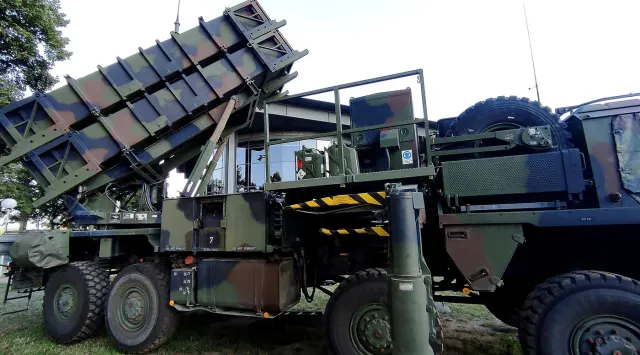
Air defense system
Patriot PAC-3Frequently asked questions
Why couldn't Ukraine intercept more of the missiles Russia fired at Kyiv on August 1? +
Ukraine's Air Force said only 2 of the 35 missiles fired were intercepted, including just 1 of 27 ballistic missiles. President Zelenskyy said this was simply because Ukraine has run out of interceptors compatible with its Patriot batteries, both PAC-3 MSE and older PAC-2 GEM-T rounds are in short supply globally.
Did the US agree to let Ukraine build its own Patriot missiles? +
Not finally. Trump told Zelenskyy at the NATO Summit in mid-July that the US would grant a production license, but on July 31 he said the US had 'not agreed to' it, calling the technology 'a hard thing to give away' and citing the risk a recipient country could someday turn against the US.
How many people were killed and wounded in the August 1 Kyiv strike? +
At least 9 people were killed, a figure Al Jazeera and the Kyiv Independent both confirmed. Wounded counts differed slightly by outlet as the toll was still being finalized, Al Jazeera reported 33 injured while the Kyiv Independent's running count stood at more than 30, including 4 children, at time of writing.
Even if a license is granted, when could Ukraine make its own Patriot interceptors? +
Not before late 2027 at the earliest. Component lead times, not paperwork, are the real constraint, so a license alone would not meaningfully add to Ukraine's interceptor supply for well over a year.
More news


