 Russia
 Moscow Institute of Thermal Technology
RS-24 Yars
Russian road-mobile and silo-based MIRV ICBM, a mainstay of the modernized Strategic Rocket Forces since 2010.
In service since 2010
Compiled from public sources ·primary reference ↗ ·last verified 2026-07-03
Procurement snapshot
Availability & export
Russian state channel
Rosoboronexport monopoly; Western sanctions exposure and payment/logistics risk for many buyers.
Channel: Rosoboronexport (state)
Fielded & proven
Operator data not public
In service since 2010. Status: active.
Lifecycle cost (est.)
No public unit price to model from. Why so few systems publish one →
Interoperability
No standardised NATO calibre / datalink detected in public specs.
Derived guidance from public data, export regime by country of origin, lifecycle from the GAO ~30% acquisition rule. Verify eligibility, pricing and offsets with the manufacturer and your acquisition authority.
Overview
The Yars is fielded both on road-mobile transporter-erector-launchers and in silos, giving Russia's Strategic Rocket Forces a mix of mobility and hardened basing. Caveat: figures are Western-intelligence-estimated or state-claimed.
Full specifications
Performance
Speed, range, altitude and engagement capability.
| Max speed (Mach) Maximum speed as a multiple of the speed of sound. Mach 2+ is typical for air-superiority fighters. | 25 Mach |
|---|---|
| Range Maximum distance: ferry range for aircraft, operational range for vehicles, maximum engagement distance for missiles. Higher means more standoff or persistence. | 11,000 km |
Firepower
Armament, payload and guidance.
| Warhead type Blast-fragmentation, shaped charge (HEAT), penetrator, thermobaric or nuclear-capable. | 3-4 MIRV (approximately 150-500 kt each) |
|---|---|
| Guidance How the weapon finds its target: inertial, GPS/GLONASS, active/semi-active radar, infrared, laser, TV, wire. | Inertial, GLONASS satellite navigation |
Physical
Dimensions, weight and crew.
| Length Overall length including gun/probe where applicable. | 22.5 m |
|---|---|
| Width Overall width, matters for rail/road transport of vehicles. | 2 m |
| Combat weight Fully loaded weight. Lighter eases transport and bridging limits; heavier often means more armor. | 49,600 kg |
Propulsion
Engine, power and fuel.
| Engine Powerplant model and type. | Three-stage solid-fuel rocket |
|---|---|
| Propulsion type Turbofan, turboshaft, diesel, gas turbine, solid-fuel rocket, ramjet… | 3-stage solid |
Specifications compiled from public Moscow Institute of Thermal Technology and reference sources ↗. Published defense figures are approximations, treat comparisons as directional. Last verified 2026-07-03.
Compare with rivals
See how it stacks up
 Lockheed Martin UGM-133A Trident II D5
 Frequently asked questions
What is the range of the Moscow Institute of Thermal Technology RS-24 Yars? +
The Moscow Institute of Thermal Technology RS-24 Yars has a maximum range of 11,000 km.
How much does the Moscow Institute of Thermal Technology RS-24 Yars weigh? +
The Moscow Institute of Thermal Technology RS-24 Yars has a combat weight of 49,600 kg.
What engine does the Moscow Institute of Thermal Technology RS-24 Yars use? +
The Moscow Institute of Thermal Technology RS-24 Yars is powered by the Three-stage solid-fuel rocket.
Similar systems
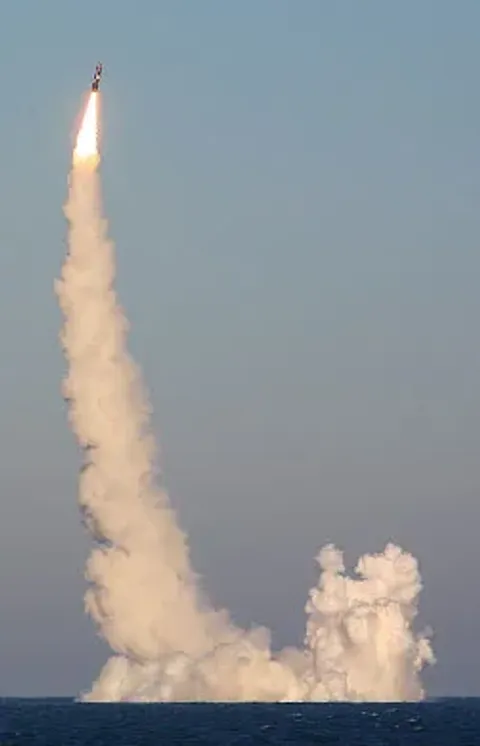
Moscow Institute of Thermal Technology
RSM-56 Bulava
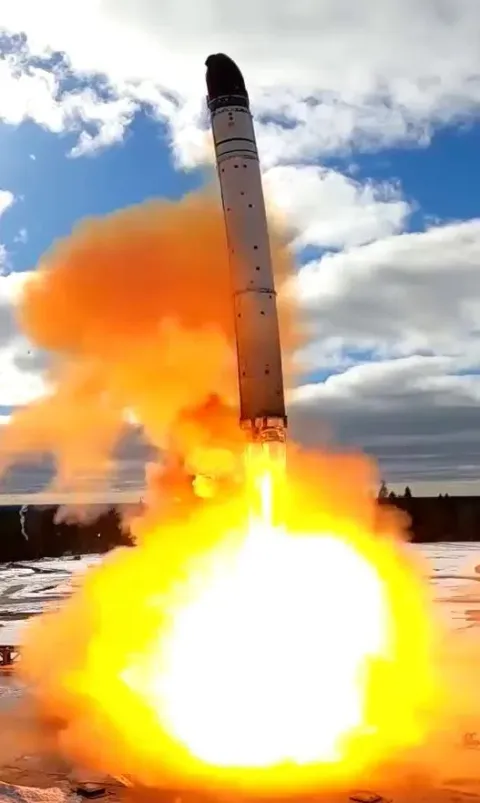
Makeyev Rocket Design Bureau
RS-28 Sarmat
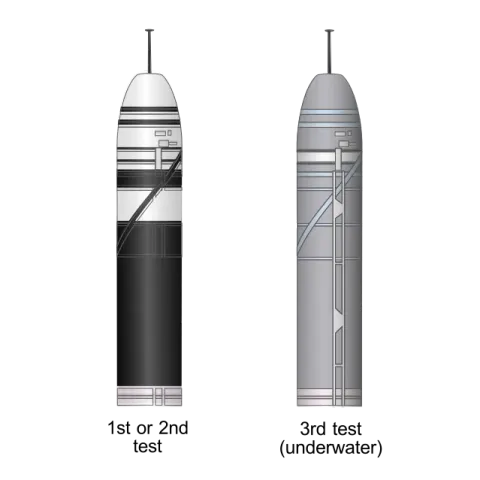
ArianeGroup
M51
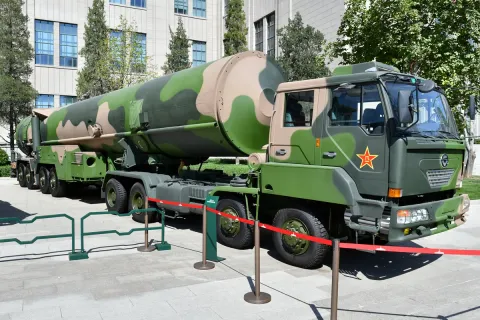
China Aerospace Science and Technology Corporation (CASC)
DF-31AG
Related coverage
RS-24 Yars in the news
 Article
 comparison · Jul 23, 2026
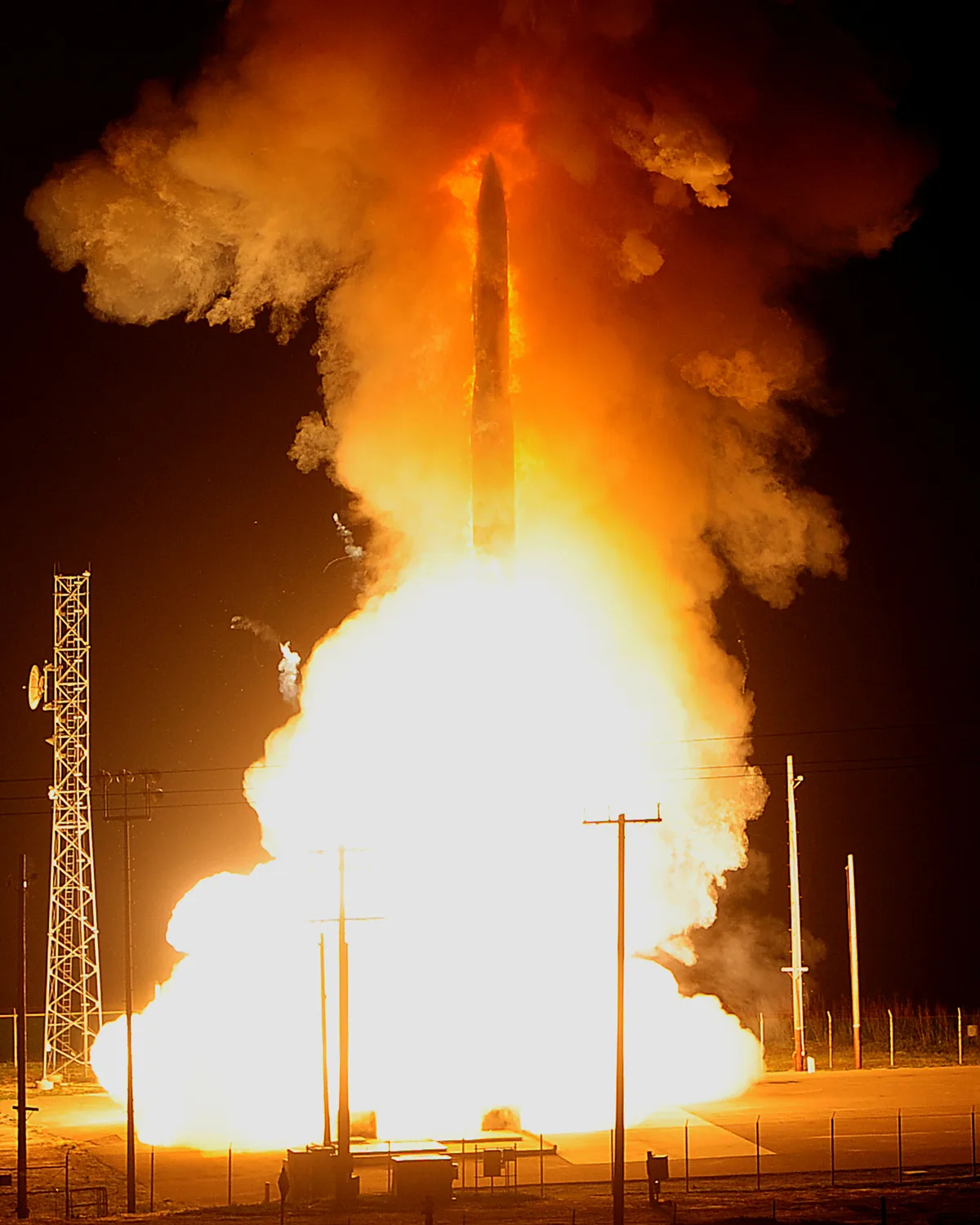
Comparing the World's Nuclear Arsenals in 2026
New START expired Feb 5, 2026, so no treaty now verifies any nation's warhead count; FAS puts the global total near 12,187, led by Russia's 4,400.
 Article
 industry · Jul 9, 2026
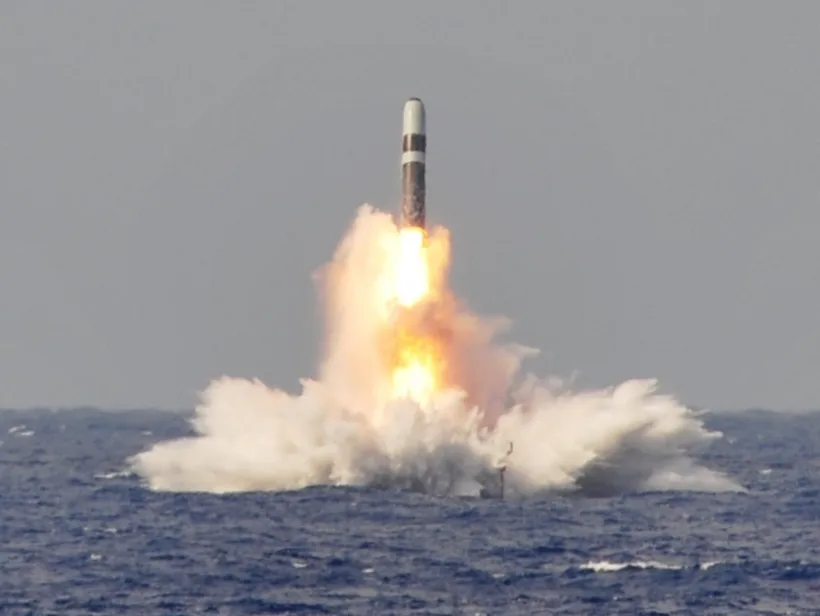
No ICBM Has Ever Flown Its Claimed Max Range
Published ICBM ranges span 1,000-18,000 km across our database, but no country has ever flight-tested one to its full claimed distance.