Zelensky: Ukraine Has 1% of Patriot Stock It Needs
Zelensky told CNN Ukraine gets 2.5 times fewer Patriot interceptors than in 2025, while Russia now fires twice as many ballistic missiles a month.

Sgt. JaDarius Duncan, U.S. Army, DVIDS, public domain. A Patriot missile launches during Operation Shining Star, McGregor Range, New Mexico, Nov. 9, 2024.
President Volodymyr Zelensky told CNN that Ukraine currently receives only about 1% of the Patriot interceptors it needs, and that even a jump to 5% of the US stockpile, not a new contract, just access to what already exists, would be enough to get the country through this coming winter.
The numbers Zelensky put on the record
Speaking in an interview aired Aug. 12, Zelensky told CNN that if the United States sold Ukraine 5% of its Patriot interceptor stock, “we will go through the winter and save people’s lives,” and that 10% would let Ukraine “destroy all the Russians’ ballistic missiles.” According to Euronews, which carried the fullest account of the exchange, Zelensky said Ukraine currently gets only about 1% of what it needs, a gap he described in blunt personal terms: “From one percent to five percent, I have some months and millions of phone calls and anything else.”
The scale of the shortfall is not just a raw percentage. Zelensky said Ukraine is receiving 2.5 times fewer Patriot interceptors in 2026 than it did in 2025, even as Russia has roughly doubled the number of ballistic missiles it launches at Ukraine each month over that same stretch. Put plainly, the two sides of the exchange are moving in opposite directions at once, supply falling as demand for intercepts rises, which is what turns a percentage-point request into an urgent one.
“If they sell us 5% we will go through the winter and save people’s lives. If they can sell us 10%, we will destroy all the Russians’ ballistic missiles,” said Volodymyr Zelensky, President of Ukraine, in a CNN interview reported by Euronews, Aug. 13, 2026.
What the shortage looks like on a bad night
The scale of the mismatch showed up directly last month: Russia fired more than 450 missiles at Ukraine, nearly 200 of them ballistic, a category that only Patriot batteries and a handful of comparably capable systems can reliably engage. In one strike alone, Ukrainian air defenses failed to intercept a single one of 28 ballistic missiles launched at them, a zero-for-28 night that illustrates what “2.5 times fewer interceptors” means in practice, not a paperwork shortfall but batteries running dry at the exact moment a saturation attack demands the most rounds.
Overnight Aug. 13, Russia struck Ukraine’s Izmail port on the Danube in the Odesa region, near the Romanian border, damaging the country’s largest Danube grain and commodity export facility and sparking a fire, per Al Jazeera. That came one day after Ukraine struck Russia’s Novorossiysk port on the Black Sea, killing three people and damaging grain-handling infrastructure there. Neither port strike involved Patriot batteries directly, but the exchange is the backdrop against which Zelensky’s interceptor appeal landed, a reminder that both sides are actively degrading each other’s infrastructure while the air-defense math behind Ukraine’s cities keeps tightening.
Why “just build more” doesn’t fix this winter
The most direct answer to the shortage, more Patriot interceptors coming off the line, is already underway, just not on a timeline that helps this winter. The Defense Post reported that on July 30 the US Army converted an earlier $4.7 billion one-year deal with Lockheed Martin into a seven-year agreement worth up to $58.6 billion, aimed at tripling annual PAC-3 MSE interceptor production from roughly 600 units a year to 2,000 a year by 2030. Lockheed’s Camden, Arkansas plant, where PAC-3 MSE missiles are assembled, is adding jobs from about 1,200 to 1,850, and the company plans to invest $8 billion to $9 billion through 2030 across more than 20 facilities to support the surge.
Figures from Lockheed Martin's July 30, 2026 contract with the US Army, reported by The Defense Post. Even a record production surge stretches over four more years, well past the winter Zelensky says Ukraine needs to get through now.
That gap between the contract’s ambition and the calendar is the entire story here. Tripling output is a genuine industrial commitment, not a token gesture, but 2030 is four winters away, and Zelensky’s request is specifically about access to interceptors that already exist in US inventories today, not a claim on missiles that have not yet been built. Lockheed also unveiled a lower-cost PAC-3 ACE variant on July 21, roughly halving the cost of an interceptor, which could eventually stretch a given production run further, but that variant does not change how many finished rounds sit in warehouses this winter either.
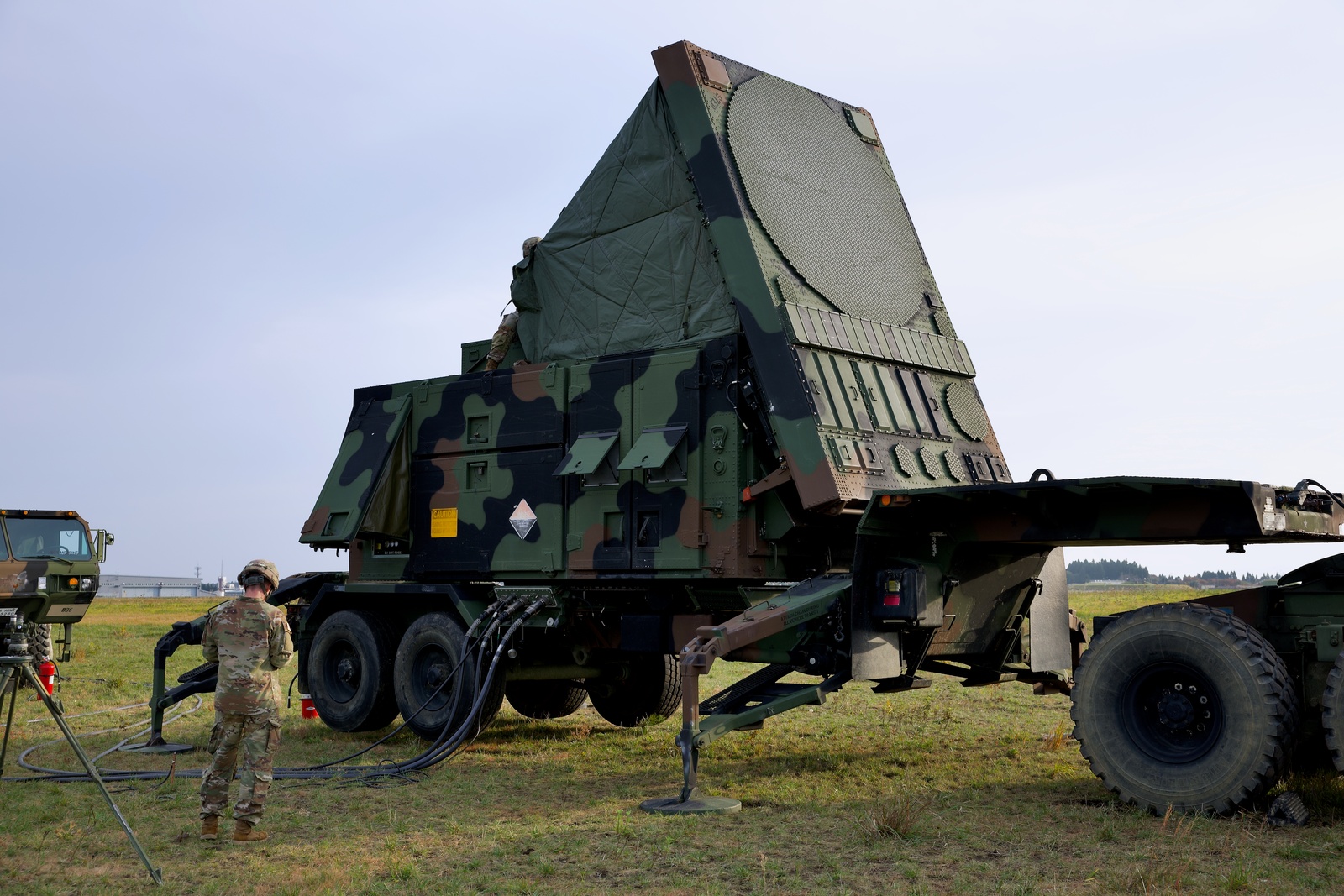
Patriot, formally the MIM-104 system now built around the PAC-3 MSE interceptor, is a US-made, Raytheon-associated air-defense system that Ukraine has relied on since 2023 to counter Russian ballistic-missile strikes on its cities and power grid. WeaponSpecs’ systems database tracks the PAC-3 MSE as the current production interceptor variant, the same one at the center of both the July production-surge contract and Zelensky’s request. The underlying supply pressure Zelensky described overlaps directly with figures WeaponSpecs has covered separately in a Pentagon internal memo on stockpile depletion, which laid out the US-side view of the same Patriot and THAAD interceptor strain from inside the Pentagon’s own production-planning process.
Reading the ask correctly
Zelensky’s framing draws a sharp line between “save lives this winter” and “stop all ballistic strikes,” and the 5%-versus-10% split maps onto that distinction directly. Five percent of a stockpile that already exists is a request Washington can act on with a policy decision rather than a manufacturing timeline, which is why Zelensky repeatedly measured the ask in months and phone calls rather than production quarters. Ten percent, enough to intercept every Russian ballistic missile rather than just enough to avoid the worst outcomes, is a materially larger commitment, and nothing in the public record suggests Washington has agreed to either figure as of this writing.
Sources
- Sell Ukraine 10% of US Patriots and 'we will destroy all the Russians' ballistic missiles,' Zelensky tells CNN — CNN, Aug 12, 2026
- Russian strike sparks fire at Ukraine port; Zelenskyy seeks interceptors — Al Jazeera, Aug 13, 2026
- Ukraine needs 5% of US Patriot stocks just to get through winter, Zelenskyy says — Euronews, Aug 13, 2026
- Lockheed Martin Wins $53.9B US Deal to Expand PAC-3 MSE Production — The Defense Post, Jul 31, 2026
- Lockheed unveils lower-cost PAC-3 ACE interceptor variant — The Defense Post, Jul 21, 2026
Systems mentioned
Every system named in this story, with its photo and, where available, a video. Tap a card to open the full spec sheet.
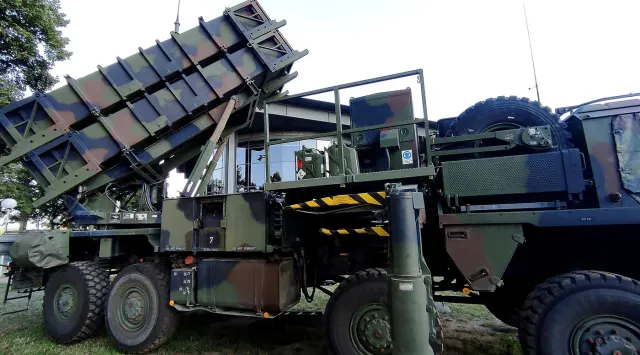
Air defense system
Patriot PAC-3Frequently asked questions
What exactly is Zelensky asking the US for? +
He said in a CNN interview that Ukraine needs access to 5% of the United States' Patriot interceptor stockpile to get through this winter, and 10% to intercept all of Russia's ballistic missile attacks. He said Ukraine currently receives about 1% of what it needs.
How much has Ukraine's interceptor supply actually changed? +
Zelensky said Ukraine is receiving 2.5 times fewer interceptors in 2026 than in 2025, even as Russia has roughly doubled its monthly ballistic missile launch rate over the same period.
Is the US increasing Patriot missile production? +
Yes. A contract worth up to $58.6 billion directs Lockheed Martin to triple annual PAC-3 MSE interceptor production, from about 600 missiles a year to 2,000 a year, but not until 2030, well past this coming winter.
What triggered this specific round of statements? +
Zelensky's CNN remarks came out Aug. 12-13, in the same news cycle as a Russian strike that damaged Ukraine's Izmail Danube port on Aug. 13, one day after Ukraine struck Russia's Novorossiysk port.
More news


