Systems for electronic warfare
Electronic warfare systems jam, deceive or disrupt an adversary's radar, communications and navigation rather than destroying targets directly. Published specs are thin compared to kinetic systems, so what matters is frequency coverage (which enemy sensors and radios can be affected), platform integration (self-protection pod versus dedicated standoff jammer), and whether the system is defensive (jamming incoming threats) or offensive (degrading enemy air defense and command networks).
5 matching systems in our database.
What matters for electronic warfare
- ●Frequency coverage: the range of radar and communication bands a system can detect, jam or deceive.
- ●Role: self-protection (defending the carrying platform) versus standoff or escort jamming (protecting a strike package).
- ●Platform integration: internal pod, podded system or dedicated aircraft, which determines range and persistence over a target area.
- ●Published EW specs are rarely detailed publicly; treat capability descriptions as directional rather than exact figures.
Electronic Warfare systems in our database
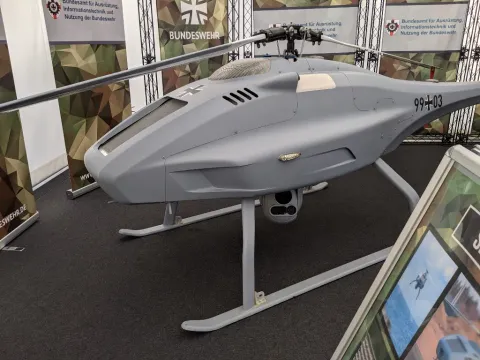
UAV / drone
Saab AB
Skeldar V-200
Max speed 140 km/h
Range 100 km
Weight 245 kg
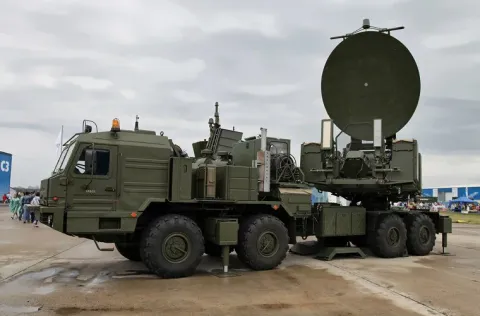
Other
KRET (Concern Radio-Electronic Technologies)
Krasukha-4
Range 300 km
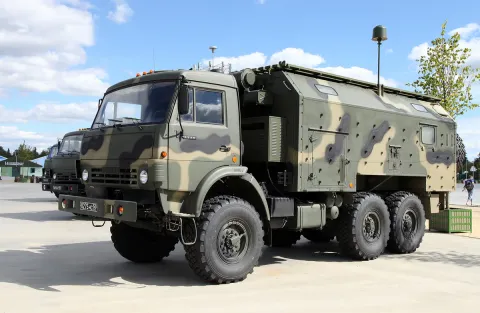
Other
KRET (Concern Radio-Electronic Technologies)
Leer-3
Range 6 km
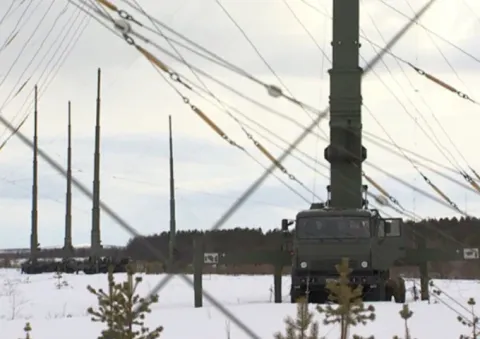
Electronic warfare
KRET (Concern Radio-Electronic Technologies)
Murmansk-BN
Range 5,000 km
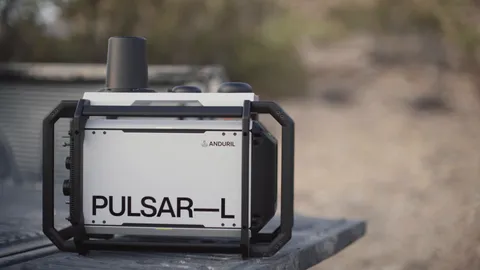
Electronic warfare
Anduril Industries
Pulsar
Frequently asked questions
- Why is public data on electronic warfare systems so limited?
- Frequency coverage, power output and specific jamming techniques are closely guarded because publishing them would let adversaries design countermeasures. Most manufacturer material describes roles and platforms rather than exact performance figures.
- What is the difference between self-protection and standoff jamming?
- Self-protection jamming defends the aircraft or ship carrying it against threats already tracking it, while standoff jamming is flown or positioned to protect other aircraft in a strike package by degrading enemy radar and communications from a distance.