Which Hypersonic Missiles Are Actually Hypersonic?
Of 23 missiles in the WeaponSpecs database clocking Mach 5-plus, only 2 fly a true hypersonic regime. The rest are ballistic missiles falling fast.

Via Wikipedia, 3M22 Zircon (shown for identification)
Twenty-three missiles in the WeaponSpecs database claim to break Mach 5. Exactly two of them fly a flight regime that earns the word hypersonic. The other twenty-one are ballistic missiles doing what every ballistic missile does on the way down: falling fast.
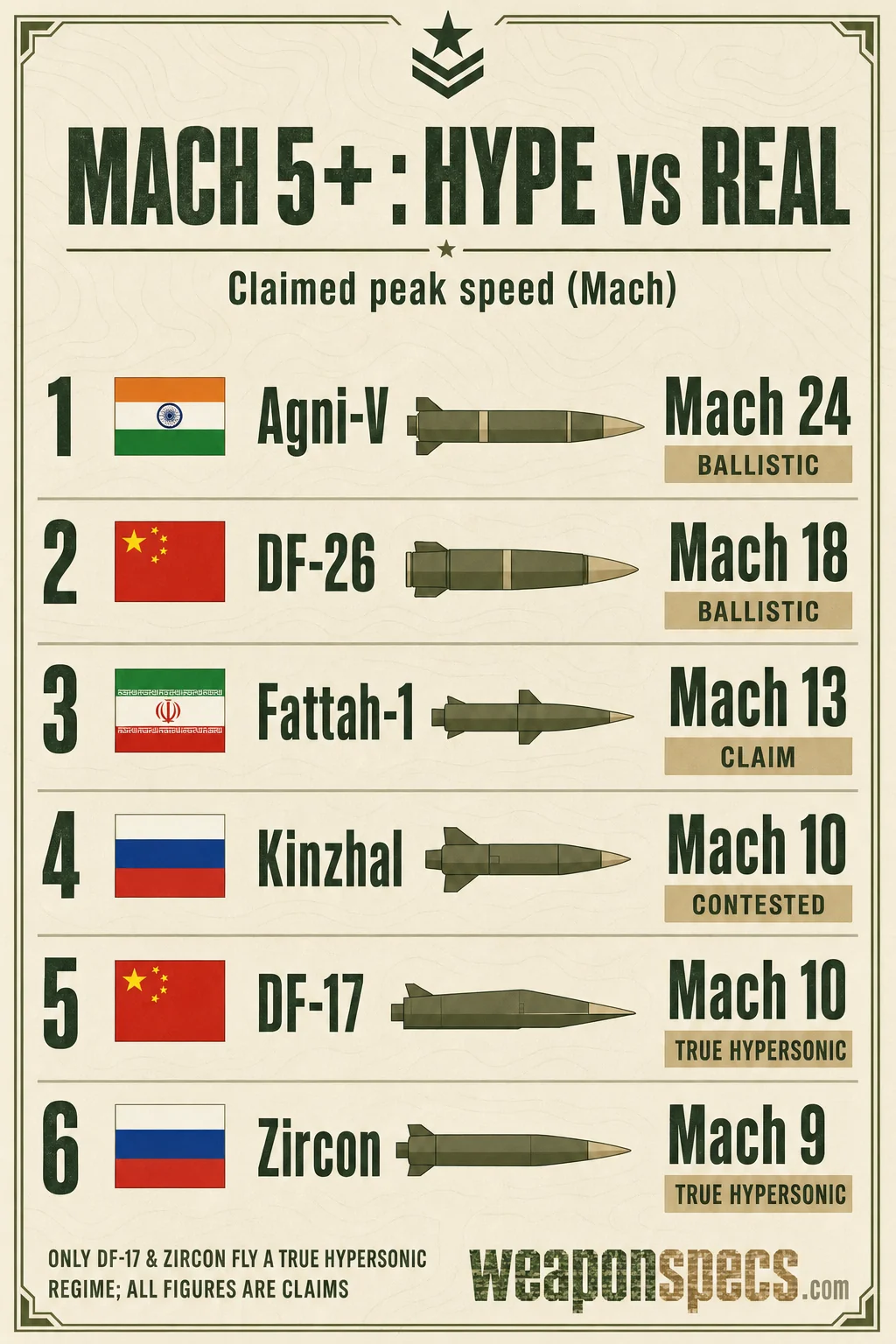
That is the finding from our analysis of 157 missile and strategic-missile systems in the WeaponSpecs database. It matters because “hypersonic” has become a marketing word first and an engineering description second, and the gap between the two is where procurement money gets misdirected.
How many missiles actually break Mach 5?
Start with the funnel. Of 157 missile systems in the database, 123 publish a maximum speed figure at all, most manufacturers simply don’t disclose one. Of those 123, 23 claim Mach 5 or higher, the conventional threshold for hypersonic speed. All 23 of those figures are manufacturer or state claims. None carry independent verification in the database, and none have been independently confirmed by a third party in open reporting either.
Now narrow further. Of the 23, only two have a propulsion and flight-profile description consistent with a maneuvering, powered hypersonic flight regime rather than a ballistic arc: the DF-17, a Chinese solid-fuel rocket that boosts a glide vehicle, and the 3M22 Zircon, a Russian scramjet cruise missile riding a solid rocket booster to ignition speed. The remaining 21 are ballistic missiles, or in one contested case an aeroballistic missile, whose Mach number is a peak reentry or terminal speed, not a sustained cruising or gliding speed.
The chart below separates the two groups. Blue bars are the two systems flying a genuine hypersonic flight regime, boost-glide or scramjet cruise. Tan bars are ballistic missiles whose quoted Mach figure is reentry or terminal speed, reached by falling, not by sustained hypersonic flight.
Agni-V tops this chart at Mach 24 precisely because it is the least exotic missile here: peak speed tracks how far a warhead fell, not sophistication, so the two genuinely maneuvering systems rank below five ballistic missiles they outclass.
Notice what the chart does not show: a straight line from Mach number to weapon sophistication. Agni-V tops the list at a claimed Mach 24, and it is, engineering-wise, the least exotic missile in the group. It is an intercontinental ballistic missile whose warhead is going fast because it fell from very high up, not because anyone built it to sustain hypersonic flight.
Why is a Mach 5 ballistic missile not a hypersonic weapon?
A ballistic missile spends most of its flight outside the atmosphere on a predictable arc, then reenters and falls. Reentry speed is a function of range and mass, longer range and heavier reentry vehicles mean higher terminal Mach, almost regardless of how advanced the missile’s guidance or propulsion is. An ICBM warhead and a 1960s ICBM warhead can reenter at similar speeds for similar reasons; the number tells you about the trajectory, not the technology.
The boost-glide flight regime1 is different in kind. A rocket booster accelerates a glide vehicle to hypersonic speed, then releases it to fly a long, flattened, maneuvering trajectory through the upper atmosphere rather than a ballistic arc, using aerodynamic lift instead of falling. A scramjet cruise missile is different again: it sustains hypersonic speed under continuous air-breathing power for the middle portion of its flight, the way a conventional cruise missile sustains subsonic or supersonic speed, only much faster.
Both classes matter for the same reason: they can maneuver while hypersonic, which complicates missile defense in a way a predictable ballistic arc, however fast, generally does not. That is the actual capability gap the word “hypersonic” is supposed to describe. Most of what gets marketed under the label does not clear that bar.
Which two systems fly a real hypersonic regime?
The DF-17, fielded by China, pairs a solid-fuel rocket booster with the DF-ZF hypersonic glide vehicle, giving it a maneuvering, atmosphere-skimming flight path rather than a ballistic one. That makes it a genuine boost-glide weapon by CSIS Missile Threat’s assessment2. Its claimed Mach 10 top speed is, like every figure in this piece, a Chinese state and manufacturer claim, not an independently verified test result.
The 3M22 Zircon, fielded by Russia, uses a scramjet engine for sustained hypersonic cruise after an initial rocket-boosted acceleration phase, per its own technical description3 and open reporting on Russia’s missile inventory4. Its claimed Mach 9 peak speed is a Russian state claim. Russia has stated the missile has seen combat use; that claim, like the speed figure, has not been independently verified by a third party.
Two systems, two countries, two different engineering solutions to the same problem: how to stay hypersonic while maneuvering instead of just falling fast. Everything else on the list of 23 solves a different problem, or doesn’t solve this one at all.
What about the Kinzhal and the Iranian “hypersonics”?
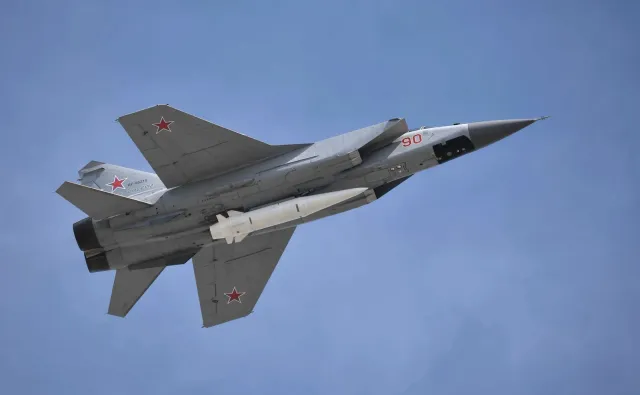
The Kh-47M2 Kinzhal sits in an awkward middle category. It is air-launched, reaches a claimed Mach 10, and Russia markets it as a hypersonic weapon. But its flight path is derived from the ground-launched Iskander and is best described as aeroballistic or quasi-ballistic, a boosted ballistic-style trajectory rather than a sustained glide or scramjet cruise, per CSIS’s assessment of the system5. Whether Kinzhal belongs in the same category as DF-17 and Zircon is contested among analysts, and its performance figures remain a Russian state claim with no independent confirmation.
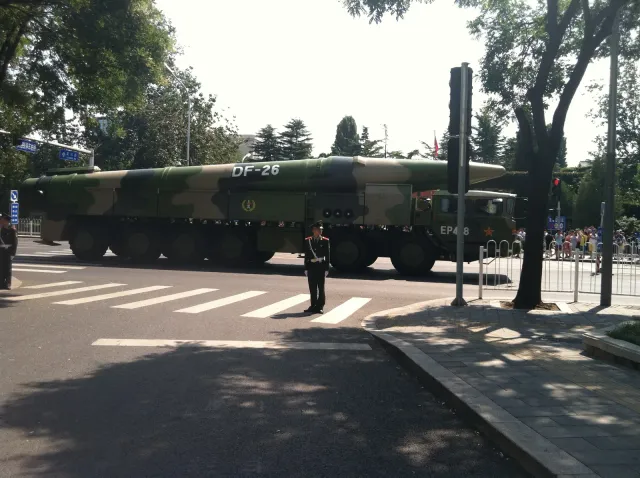
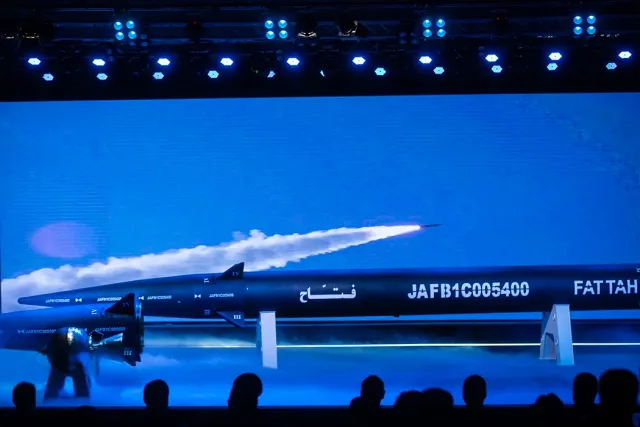
Iran accounts for 11 of the 23 systems in the Mach 5-plus group, the largest single-country share, per our review of Iran’s missile inventory6. Almost all of them, including the Fattah-1, are conventional ballistic missiles whose high Mach figures come from reentry physics rather than any maneuvering hypersonic capability, and every figure is an Iranian state claim. The table below lines up six representative systems side by side, including two ballistic outliers from China and India for scale.
| System | Origin | Claimed peak (Mach) | Flight regime | Independently verified? |
|---|---|---|---|---|
| DF-17 | China | 10 | Boost-glide (glide vehicle) | No, state claim |
| 3M22 Zircon | Russia | 9 | Scramjet cruise | No, Russian state claim |
| Kh-47M2 Kinzhal | Russia | 10 | Aeroballistic (contested) | No, Russian state claim |
| Fattah-1 | Iran | 13 | Ballistic, claimed maneuvering warhead | No, Iranian state claim |
| DF-26 | China | 18 | Ballistic (reentry speed) | No, state claim |
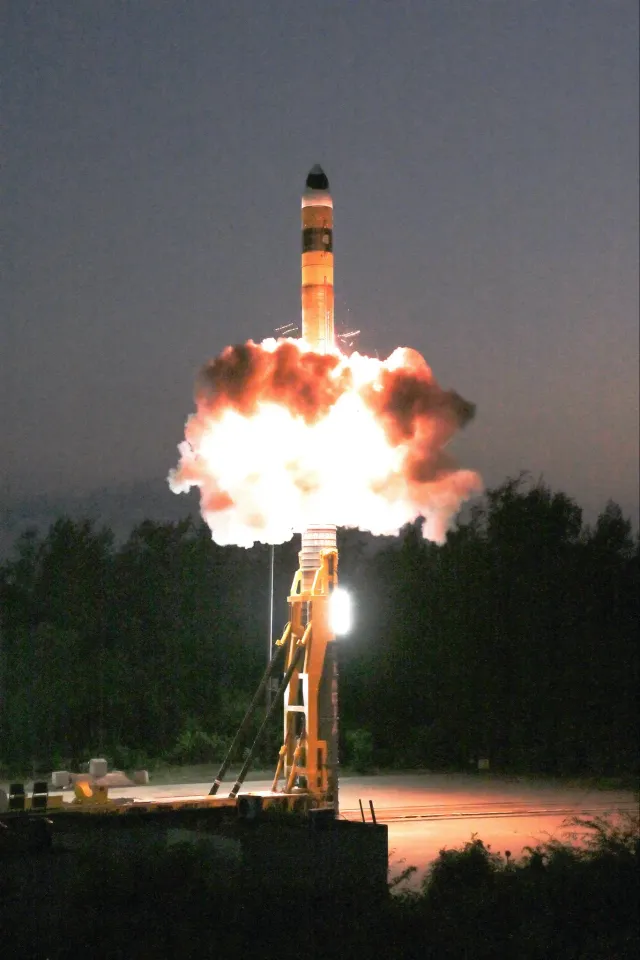
| Agni-V | India | 24 | Ballistic (reentry speed) | No, state claim |
Read that table the way you’d read any vendor spec sheet: the flight-regime column is the one that tells you what you’re actually buying or defending against, not the Mach column.
What does this mean for buyers and analysts?
Treat every Mach figure in this piece, and every Mach figure attached to a missile system anywhere, as a claim until proven otherwise, especially when the source is a state actor with an interest in deterrence messaging. Separate the flight regime from the reentry speed before comparing two systems: a Mach 24 ballistic reentry and a Mach 9 scramjet cruise are not competing on the same axis, one is a falling object, the other is a maneuvering weapon. And when a number matters to a real decision, whether that’s a defense budget, a threat assessment, or a procurement brief, demand the verification rather than the press release.
For a broader look at how these systems compare on range, payload, and origin, browse the missile category on WeaponSpecs, or run your own comparison in the range envelope tool and the Advisor. For a related look at how state claims and combat-proven figures diverge in a different weapon class, see our prior column on Patriot vs S-400 vs SAMP/T.
Sources
Systems in this comparison
Every system covered above, with its photo and, where available, a video. Tap a card to open the full spec sheet.
Compare these side by side →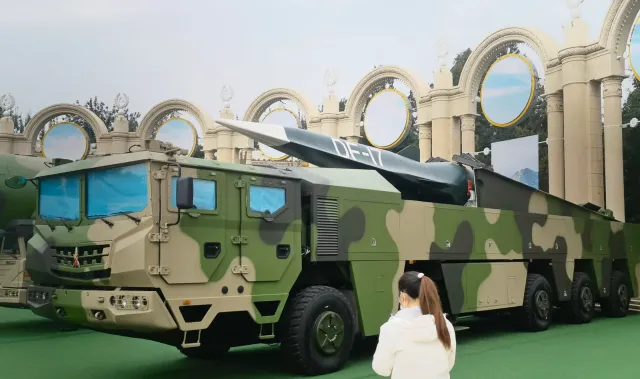

Frequently asked questions
What makes a missile hypersonic? +
Technically any speed above Mach 5. But the meaningful weapon class is a system that sustains hypersonic speed while maneuvering, either a boost-glide vehicle or a scramjet-powered cruise missile, not a ballistic missile that only reaches those speeds while falling back through the atmosphere.
Is the Kinzhal a true hypersonic missile? +
It is air-launched and reaches high Mach, but it flies a quasi-ballistic (aeroballistic) path derived from the ground-launched Iskander, not a sustained gliding or powered hypersonic cruise. Its performance figures are Russian state claims and have not been independently verified.
How many of these hypersonic figures are independently verified? +
None. In the WeaponSpecs database every one of the 23 systems clocking Mach 5-plus carries a peak-speed figure sourced from a manufacturer or state, with no independent third-party confirmation of that speed in service.
Which countries claim the most Mach 5-plus missiles? +
Of the 23 systems, 11 are Iranian, 5 Russian, 3 Chinese, 2 Indian, plus one each from the United States and Pakistan. Iran's count reflects its large ballistic-missile family, most of which are conventional ballistic missiles rather than maneuvering hypersonic weapons.
Does a higher Mach number mean a better missile? +
No. Peak speed on a ballistic arc is largely a function of range and mass, not weapon sophistication. What matters is whether the system can maneuver at hypersonic speed to complicate a defense, and whether the number has been verified at all.
Related reading


